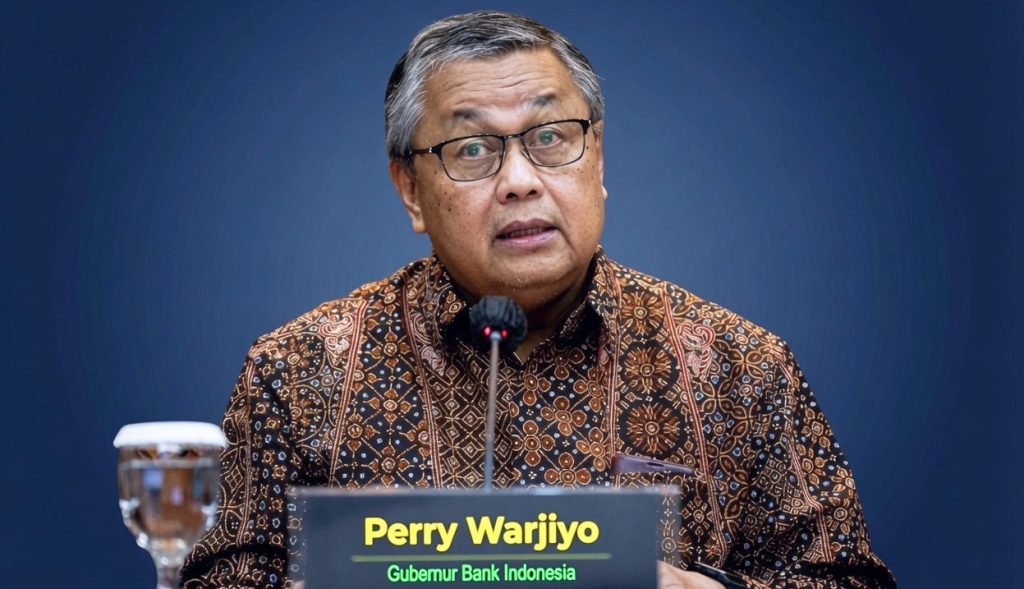
Perry Warjiyo, the governor of Indonesia’s central bank, resigned on Monday. Many analysts are astonished by this decision and have warned that investors who are concerned about the independence of the central bank and the nation’s budgetary management may become alarmed.
But before Jakarta’s financial markets opened, President Prabowo Subianto accepted Warjiyo’s resignation.
Bank of Indonesia (BI) senior deputy governor Destry Damayanti has been named acting governor. Warjiyo resigned for personal reasons, according to Destry.
According to ASEAN expert Angus Mackintosh, “a lot will rely on who takes over, with Destry, a senior deputy governor, stepping in first.”
Prasetyo says, Warjiyo sent a letter to the president announcing his resignation without providing an explanation.
In 2018, Warjiyo was initially named governor. In 2023, he was reappointed for a second five-year term.
While the rupiah fell to a record low in June due to global market instability and worries about Indonesia’s fiscal management and central bank independence, BI has been under pressure to back Prabowo’s big-growth strategy.
Republic Bank Launches Ladies Association To Empower Women..
Last month, the Indonesian parliament passed comprehensive legislation that strengthens BI’s role in promoting growth and gives MPs the authority to make legally enforceable recommendations for the central bank and independent financial regulators.
Last week, BI shocked markets by maintaining policy rates while providing fresh incentives to draw in foreign investment with the goal of bolstering the rupiah. Since May, BI has increased rates by 100 basis points in an effort to draw in foreign capital and support the rupiah.
Markets were shaken in 2025 when Indonesia’s powerful finance minister Sri Mulyani Indrawati was abruptly removed. Investors were concerned that Prabowo’s populist and expensive spending plans would damage the nation’s economic credibility.