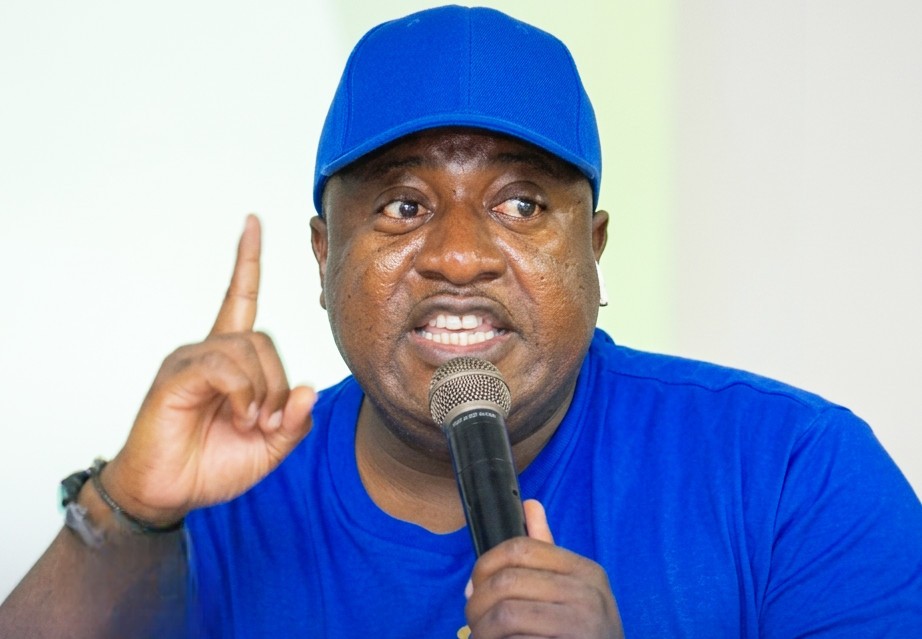
Henry Nana Boakye, also referred to as Nana B, has made a grave accusation regarding state officials’ complicity in the flow of illegal drugs across Ghana.
Nana B claims that government officials facilitate the easy flow of cocaine and other drugs across Ghana.
Following an accusation made by New Patriotic Party (NPP) National Organizer Henry Nana Boakye, also known as Nana B, the discussion surrounding Ghana’s war on illegal narcotics has taken a significant political turn.
Speaking at a press conference on Tuesday, September 22, Nana B claimed that certain government officials were facilitating the easy flow of cocaine and other illegal drugs into and out of Ghana, casting doubt on the efficacy of the nation’s anti-drug trafficking measures.
According to him, the majority of Ghanaians are outraged that President Mahama is ignoring the horrible incident that is damaging Ghana’s reputation.
He requested that Parliament address this matter immediately because it affects a large number of Ghanaians who travel, particularly importers.
The transit of drugs across Ghana’s borders requires several levels of security, customs, and law enforcement regulations, thus if proven true, the claim would indicate a potentially significant institutional issue.
Nana B’s remarks coincide with a period of increased public awareness of drug trafficking, and authorities are under pressure to show that Ghana can stop drugs from passing through the nation.
Nana B asserts that the issue extends beyond people trying to transport drugs across Ghana’s borders.
He claims that some members of the administration are facilitating the movement of cocaine and other illegal narcotics into and out of the nation.
The accusation highlights the potential for inside support among organizations tasked with identifying and stopping drug trafficking.
However, until the claim is backed up by proof and proven by an investigation conducted by the relevant authorities, it remains an allegation. Therefore, based alone on the statement, no particular government person should be held accountable.
Concerns regarding Ghana’s place in global drug trafficking networks are also rekindled by the remarks.
Ghana is a major focus for organizations in charge of fighting drug trafficking because of its location and its worldwide aviation and sea connections.
Cocaine and other drug-related instances, including those involving airplanes and alleged drug transfers, have been documented in the nation in the past.
Felix Kwakye Ofosu, the Minister of State for Government Communications at the time, was called out by Nana B himself in April 2025 for remarks he made about accusations concerning two aircraft that had flown through Ghana. Rev. Ntim Fordjour, the Assin South MP at the time, had made these accusations public, claiming that the planes were connected to cocaine and substantial sums of money.
What This ‘Strange’ Cocaine Busts In Ghana Tell The World
Allegations between drugs and Ghana’s aviation industry can become politically contentious, as that previous issue showed.
Nana B’s latest allegation could intensify calls for a comprehensive examination of Ghana’s systems for detecting and intercepting narcotics.
Such an examination could involve agencies responsible for border control, aviation security, ports, customs, intelligence and narcotics enforcement.
The central question is whether existing controls are sufficient to prevent traffickers from exploiting weaknesses within the system.
If officials are found to have knowingly assisted drug trafficking, the implications would extend beyond the individuals involved. It could raise questions about institutional oversight, corruption controls and the ability of security agencies to independently investigate wrongdoing within their own structures.
The issue also has implications for Ghana’s international reputation. Countries used as transit points in international drug networks can face increased scrutiny from foreign law-enforcement and intelligence agencies. This makes the credibility of Ghana’s anti-narcotics institutions particularly important.
For Ghana, the challenge is therefore not only about intercepting individual consignments of cocaine or other narcotics.
It is also about ensuring that officials responsible for securing the country’s borders, airports, ports and other entry points cannot be compromised.
While Nana B’s statement is significant because of his position as a senior NPP figure, allegations of this nature require evidence and independent investigation.
There is an important distinction between claiming that officials are facilitating drug trafficking and establishing that such conduct has actually occurred.
Investigators would need to determine who may have been involved, what role they allegedly played, whether there were financial or other inducements, and how narcotics were able to move through controlled points.
Any individuals found to have participated in such activities would potentially face serious criminal consequences under Ghanaian law.
Pressure on authorities:
The latest allegation is likely to increase pressure on government and security agencies to provide clear answers about Ghana’s anti-drug efforts.
NPP Has A Strong Chance Of Winning Back Ghanaians In 2028 – Sheila Bartels
The public interest lies not only in the seizure of narcotics but also in understanding how such substances entered the country, who was responsible for detecting them, whether established procedures were followed and whether any officials deliberately facilitated their movement.
A credible investigation could therefore help separate political allegations from verifiable facts.
For now, Nana B’s claim adds another layer to the country’s ongoing conversation about cocaine trafficking and the effectiveness of Ghana’s security architecture.
The key issue will be whether the allegation is followed by specific evidence and an independent investigation capable of determining whether any government officials have indeed assisted the movement of cocaine and other illicit drugs through Ghana.The article keeps Nana B’s allegation clearly attributed rather than presenting it as an established fact.