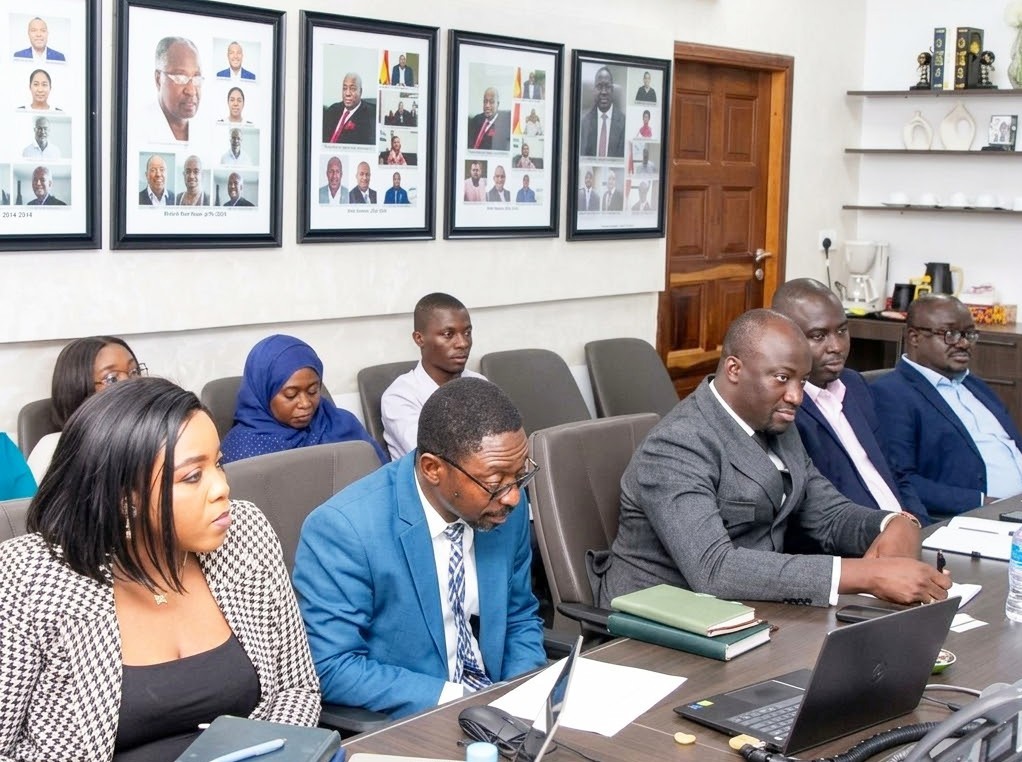
Ghana is solidifying its reputation as a beacon of excellence and a go-to advisory partner for emerging energy markets across Africa. Reinforcing this role, the Petroleum Commission of Ghana recently opened its doors to a high-level delegation from the Eswatini National Petroleum Company (ENPC), offering an in-depth look into the strategies that have driven Ghana’s offshore success.
The study tour focused on transmitting practical knowledge across every stage of the upstream oil and gas ecosystem. Through interactive sessions, Ghanaian experts provided their Eswatini counterparts with actionable insights into transparent regulatory governance, strategic industry expansion, robust local content enforcement, and long-term economic value creation.
Since establishing itself as a key commercial oil producer, Ghana has prioritized building an equitable, highly regulated industry. Rather than keeping these benchmarks in isolation, the nation actively leverages its technical expertise to assist peer countries in developing responsible, sustainable hydrocarbon sectors from the ground up.
Mahama Unveils Multi-Billion Dollar Plan To Revive Ghana’s Petroleum Industry
For the Kingdom of Eswatini, this engagement represents a pivotal step in designing its foundational petroleum policies. By examining Ghana’s operational frameworks and policy evolutionary path, ENPC leaders gain a clear blueprint to optimize resource management and maximize domestic gains.
Key advantages driven by these institutional partnerships include:
Capacity Enhancement: Equipping local institutions with the specialized technical knowledge required to manage complex exploration and production operations.
Policy Optimization: Assisting emerging producers in establishing adaptive regulatory frameworks that guard against market pitfalls while drawing foreign direct investment.
Sustainable Wealth Generation: Ensuring that oil and gas developments deliver long-term socio-economic benefits and localized job growth rather than enclave economies.
Looking ahead, the Petroleum Commission remains dedicated to extending technical assistance and hosting knowledge-sharing bilateral exchanges. By championing cross-border cooperation, Ghana is not only elevating its own standing in international energy governance but also helping shape a resilient, well-governed energy landscape across the continent.