The raging controversy surrounding Obuasi Senior High Technical School (Obuasi SecTech) took an unexpected turn when the spotlight shifted from the allegations themselves to the press coverage surrounding the scandal.
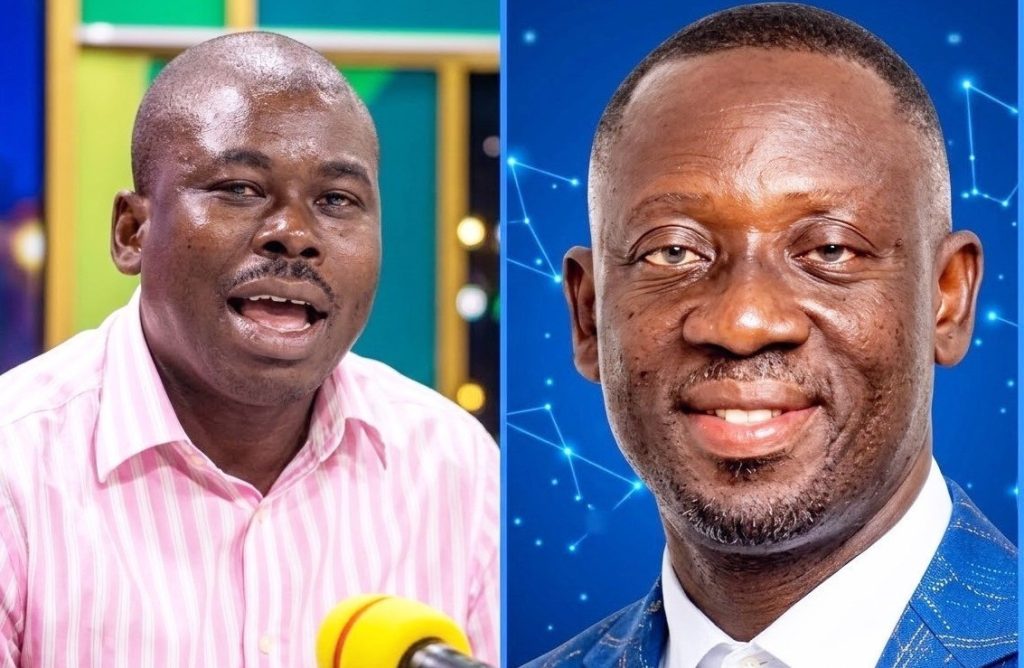
Rev. Charles Owusu, a vocal political activist and former Head of the Monitoring Unit at the Forestry Commission, voiced sharp disapproval over media platforms hosting the school’s beleaguered headmaster for live interviews.
Participating as a panelist on Peace FM’s flagship morning program Kokrokoo, Owusu openly challenged the judgment of news organizations that offer a microphone to officials currently facing intense public scrutiny.
Owusu’s sharp reaction was triggered by an appearance the headmaster made on Neat FM, where the administrator offered his side of the story regarding the operational and disciplinary issues plaguing Obuasi SecTech. To Owusu, the press is exhibiting a glaring double standard: aggressively demanding transparency and punitive action on one hand, while simultaneously rolling out the red carpet for the administrator to offer public defenses on the other.
He argued that granting such platforms risks diluting the urgency of public calls for justice, transforming a serious institutional investigation into a public relations spectacle.
A Fractured Dilemma: Platforming vs. Accountability
Owusu’s critique strikes at the heart of an ongoing journalistic debate: when individuals are embroiled in major public controversies, does giving them a voice serve the public interest or subvert it?
Critics of platforming figures under investigation contend that live, unvetted interviews often become convenient avenues for damage control rather than genuine accountability. In sensitive cases involving public secondary schools—where student welfare, public funds, and community trust are directly at stake—critics worry that media appearances might sway public opinion long before formal inquiries reach a conclusion.
Ghanaians React After Obuasi SHTS Headmaster Is Granted Bail
Conversely, free-press advocates argue that fundamental fairness requires giving accused parties a chance to respond. From a reporter’s perspective, a direct interview provides an opportunity to test an official’s claims under pressure, clear up rumors, and put hard questions to the person directly responsible.
As the Obuasi SecTech controversy continues to unfold, Rev. Owusu’s intervention has added a critical layer to the discourse. The key question moving forward is no longer just how authorities will handle the allegations against the school’s leadership, but how the press will balance its dual mandate to uncover the truth while maintaining journalistic integrity.