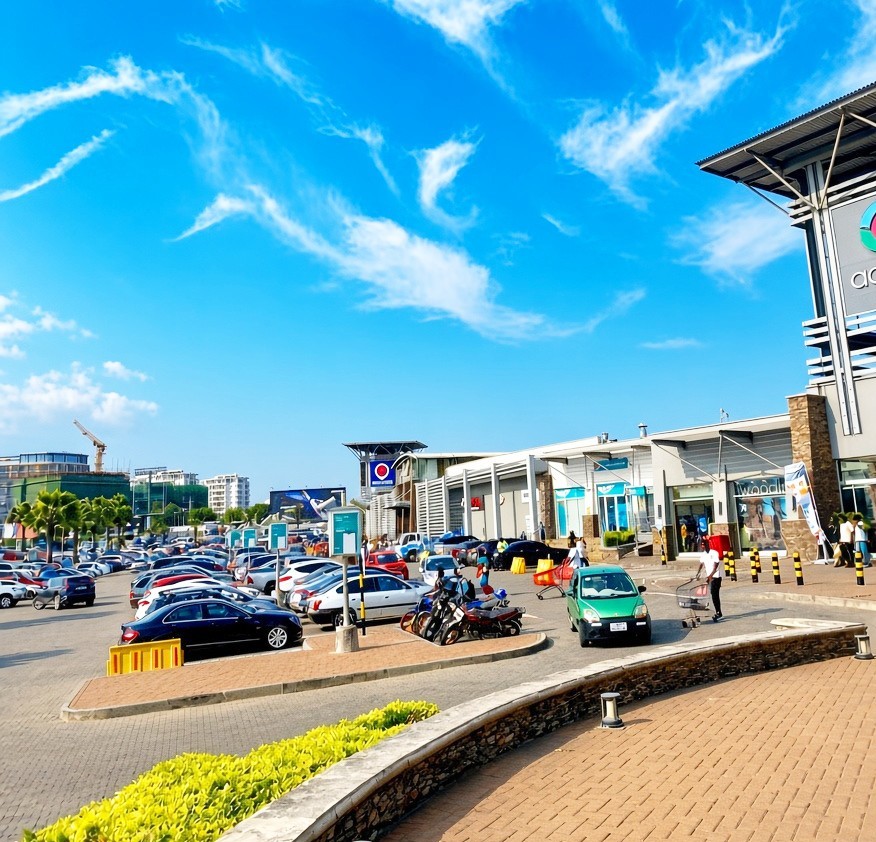
Outspoken Member of Parliament of Gomoa Central Kwame Asare Obeng, better known as A Plus, has taken aim at the cluster of makeshift structures growing around Accra Mall. In a Facebook post, he warned that the area is sliding into something resembling a slum, and that this clashes with the image of a modern capital city.
His main complaint is about enforcement. If urban planning rules exist, he asked, why do authorities seem unable or unwilling to apply them and protect public space?
How Petty Trading Becomes a Settlement
What worries A Plus is how gradual the change has been. What began as small-scale trading on the ground, he suggested, has grown into a spreading collection of makeshift stalls, containers and kiosks.
He also asked a pointed question: have these structures been officially approved? He floated the idea that some operators might even be paying levies to the very bodies meant to regulate trading and keep order. That is his speculation, and only the relevant authorities can confirm or deny it.
His remarks have revived familiar debates about planning, street trading and the pressure on public spaces in Accra.
Why Is Planning So Hard in Accra?
In his post, A Plus wondered why good urban planning remains so elusive in Ghana, and especially in Accra, where commercial activity keeps pushing into spaces that need careful management. The scene near Accra Mall, in his view, reflects a wider failure in how the city manages commercial space and enforces its rules.
He argued that authorities must do more than watch while temporary arrangements harden into permanent-looking settlements. That raises a wider question: are existing regulations enforced consistently, and are public spaces actually protected?
A Plus went further, challenging authorities to point to a properly planned central business district in Accra, comparable to those in major world cities. Where, he asked, is the commercial zone in which planning rules are strictly applied, kiosks and unauthorised containers are barred and public space is safe from uncontrolled development?
His point touches a long-running tension: how can a growing city meet the demand for trading space without sacrificing its appearance, accessibility and function? In many major cities, commercial districts are the product of deliberate design, with set areas for businesses, walkways, transport links and other essential infrastructure. A Plus believes Accra should follow that model instead of letting open spaces fill up piece by piece with little regard for the wider environment.
It also poses a hard policy question. How can the city support small businesses and informal traders while ensuring they operate from proper, designated areas?
“Why Must Every Space Be Commercialised?”
A recurring theme in his post is the habit of turning nearly every available space into a marketplace. He questioned why authorities seem to tolerate the spread of makeshift structures and step in only once the situation has become unmanageable.
The issue goes beyond looks. Depending on location and type, unplanned commercial development can affect pedestrian movement, traffic, sanitation, drainage and access to public space. When trading spills into areas never designed for it, city authorities face added pressure to provide services and keep order. Around a busy destination like Accra Mall, planning and enforcement matter even more, so that businesses can operate without blocking movement or damaging the area’s image.
Ghana’s Beautiful Villagio Is Slowly Becoming An Open-Air Market
A Plus argued that a capital should reflect order, beauty, thoughtful planning and national pride, not a sprawl of containers, kiosks and improvised structures. He warned against normalising what he sees as urban disorder while expecting Accra to become a modern, world-class city.
His position suggests beautification should not be an occasional exercise of clearing rubbish or repainting facilities. It should be part of a larger strategy that includes:
- sound land-use planning
- effective enforcement of building regulations
- organised markets
- protected pedestrian space
- consistent maintenance of public infrastructure
Delivering that means balancing planning rules against the realities of traders who depend on informal business for their livelihoods. Any attempt to reorganise commercial activity would need clear communication, transparent enforcement and fair arrangements for traders who are relocated. Without sustained action, the uncontrolled spread of commercial structures will keep resurfacing in conversations about the capital’s future.
Who Answers for Accra Mall’s Surroundings?
The post also raises the question of who is responsible. Residents and businesses have a legitimate interest in knowing whether structures in busy commercial areas comply with approved plans, and whether public space is managed according to regulations.
The relevant authorities would need to clarify the status of the structures around Accra Mall: whether they have permits and whether operators are meeting requirements. If any were built in breach of planning rules, authorities would be expected to say what enforcement options exist and what has been done. If they were approved, questions would arise about the planning decisions behind them.
A Plus Wants Answers
A Plus ended by asking when beautifying Accra will become a serious national priority. His message echoes wider unease about how Ghana’s capital is developing, and whether it can protect public space while accommodating commercial growth.
The debate is not only about whether makeshift stalls belong near a major shopping destination. It is about what kind of capital Ghana wants to build and what standards its authorities are willing to enforce. Getting there will take careful planning, effective regulation and a practical approach to the needs of traders, residents, commuters and businesses.
For now, A Plus has put the area around Accra Mall back in the spotlight and reopened the argument over urban planning, street trading and the look of the capital.
The question hanging over it all: can Accra become a truly modern, well-organised city if its planning rules are not consistently enforced?