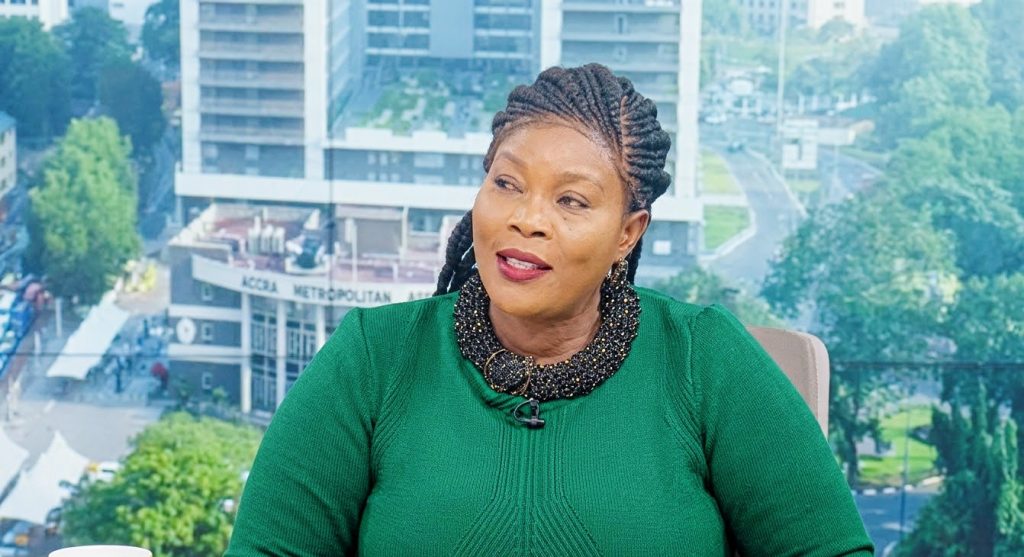
Political strategist and founder of the People’s National Party (PNP), Janet Asana Nabla, has ignited a sharp debate over the boundary between economic stewardship and electoral viability. Her remarks center on the rising political footprint of Finance Minister Dr. Cassiel Ato Forson, raising fundamentally uncomfortable questions about whether managing national balance sheets can ever translate into winning a presidential mandate.
Appearing live on JoyPrime TV, Nabla voiced strong skepticism over the outsized public and political spotlight currently centered on the treasury head. Drawing on political history and international precedent, she questioned the strategic logic of positioning a Finance Minister as the central figure around whom political power and momentum are constructed.
“Where in the world has a finance minister won political power?” Nabla pressed, cutting to the heart of a debate that has simmered beneath Ghana’s political landscape.
The Polling Catalyst
Nabla’s sharp critique follows recent polling data from Global InfoAnalytics. The survey highlighted notable shifts in voter sentiment across key battlegrounds, showing New Patriotic Party (NPP) flagbearer Dr. Mahamudu Bawumia maintaining a decisive edge over Dr. Ato Forson in the electoral strongholds of the Eastern and Ashanti regions.
While Dr. Ato Forson’s profile within the ruling National Democratic Congress (NDC) has expanded rapidly—transitioning from parliamentary leadership to leading the nation’s fiscal apparatus, the polling numbers underscore the persistent gap between ministerial authority and grassroots electoral appeal.
“I Sleep Easy” — Ato Forson Stakes His Reputation On A Clean Conscience
The debate touches on a structural dilemma in modern democratic governance: can technical competence buy political affection?
The Minister for Finance occupies arguably the most powerful appointed seat in Cabinet. From formulating fiscal frameworks and navigating sovereign debt obligations to allocating state revenues and delivering the national budget, the office commands immense executive clout.
However, Nabla’s argument highlights that managing macro-level fiscal targets is fundamentally distinct from building an emotional, widespread connection with an electorate. Historically, finance ministers are often forced to implement austerity measures, tax adjustments, or spending cuts—actions that may stabilize an economy on paper, but rarely generate widespread popularity among voters feeling the squeeze of inflation and living costs.
Nabla’s commentary adds fresh friction to ongoing evaluations of government performance and appointee influence. By challenging the strategy of relying heavily on high-profile Cabinet ministers to drive political momentum, her remarks highlight a broader question facing political parties:
- Strategic Focus: Does over-indexing on key ministerial appointees obscure the broader political message required to mobilize voters?
- Appointee Accountability: Should government performance be judged primarily by economic metrics, or by how effectively leaders connect with the public?
- Party Dynamics: How do individual ministerial profiles affect internal party balance and long-term succession planning?
As public discourse continues to shift toward governance, economic recovery, and upcoming electoral contests, Nabla’s intervention serves as a reminder that executive authority does not automatically guarantee political dominance.