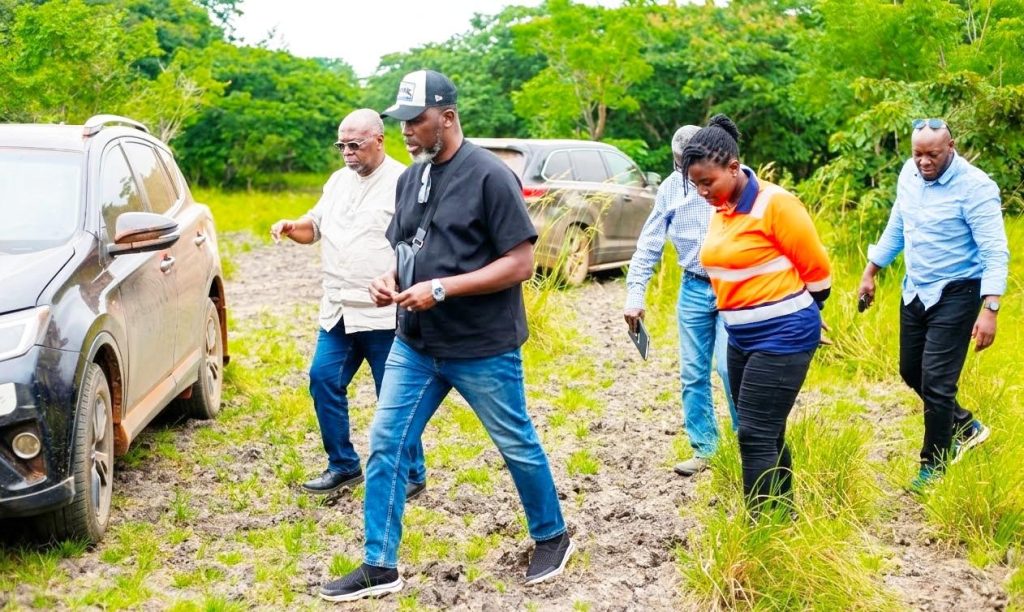
Gomoa Eco Park takes a major step forward as the Forestry Commission grants a temporary entry permit for preliminary works in the Yenku Forest Reserve, paving the way for tourism, wildlife conservation and community benefits.
The ambitious Gomoa Eco Park initiative has crossed a major operational threshold following the Forestry Commission’s (FC) issuance of a temporary Entry Permit. This regulatory green light allows preliminary groundwork to begin within designated zones of the Yenku Forest Reserve, moving the long-awaited venture closer to reality.
Under the terms of the permit, Gomoa Eco Park Development Company Limited—alongside its engineering teams, consultants, and contractors—is cleared to initiate early-stage activities across approved sections of Blocks A and B of the reserve while final negotiations on a comprehensive formal agreement are concluded.
Once realized, the development promises to transform the Gomoa area into a premier hub for eco-tourism, environmental stewardship, and experiential learning for both domestic and international travelers.
With regulatory clearance secured, two foundational workstreams are set to launch immediately on the ground:
- Access Road Construction: The Ghana Armed Forces’ 48 Engineer Regiment will deploy to construct essential access routes within the approved boundaries, opening up the terrain for subsequent eco-park infrastructure.
- Comprehensive Ecological Inventory: Simultaneously, environmental specialists will conduct an exhaustive baseline survey of the site’s flora and fauna.
By cataloging native plant and animal populations, the team aims to build a scientific database that will guide sustainable habitat protection while enriching future educational tours for guests.
A New Frontier for Earth Sciences and Wildlife Protection
Designed to offer far more than conventional sightseeing, the Gomoa Eco Park master plan integrates rigorous scientific education and active wildlife conservation into its core visitor experience.
A centerpiece of this educational vision is a dedicated Geological Museum, to be developed in partnership with the Ghana Geological Survey Authority.
The facility will take visitors on an immersive journey through planetary history—tracing the Earth’s formation, early human habitation in the sub-region, and the origins of Ghana’s famed mineral wealth.
Guests will be able to examine indigenous rock formations, understand how valuable minerals occur naturally, and appreciate their vital role in the nation’s geological heritage.
Gomoa Could Become Ghana’s Beautiful Dubai By 2036— MP
In addition, the park will blend curated wildlife exhibits—featuring a mix of native and exotic species—with active conservation outreach. Notably, developers plan to champion marine preservation efforts focused on safeguarding endangered sea turtles along Ghana’s coast, fostering environmental awareness and responsible tourism habits, especially among students and young visitors.
Restoring Economic Justice After Nearly Eight Decades
Perhaps the most transformative dimension of the Gomoa Eco Park blueprint lies in its commitment to local restorative justice. For generations, the traditional landowning families whose ancestral territories were originally acquired for forest reservation have gone without financial returns—having last received royalty payments back in 1947.
The eco-park’s commercial framework is structured to end this nearly 80-year drought. Under the proposed revenue-sharing model, these traditional custodians will receive ongoing royalties and a direct stake in tourism proceeds, turning long-dormant ancestral lands into a sustainable engine for local economic empowerment and community development.
Securing the temporary Entry Permit marks a decisive turning point for the Gomoa Eco Park. By weaving together military-backed infrastructure, ecological mapping, earth-science education, marine conservation, and equitable community profit-sharing, the project is poised to become one of Ghana’s flagship eco-tourism landmarks.
If executed to its full potential, the initiative will do more than draw visitors to the Central Region—it will demonstrate how commercial tourism, environmental preservation, and local community prosperity can reinforce one another for generations to come.