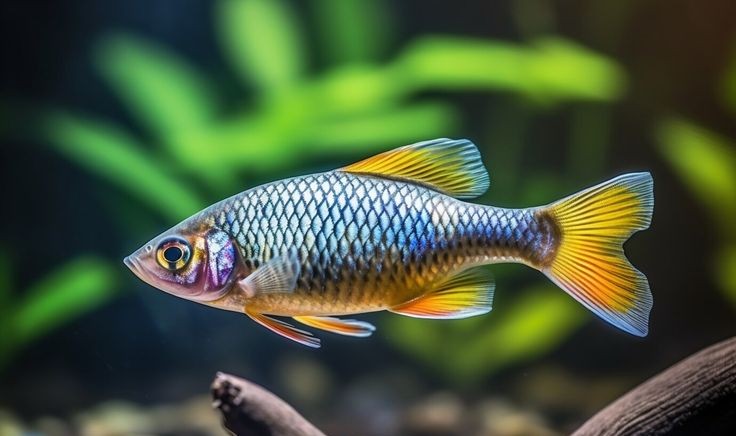
Minute concentrations of cocaine contaminating rivers and lakes may accumulate in the brains of salmon and interfere with their natural behaviour, researchers have cautioned, raising serious concerns about the long-term consequences for fish populations.
In a controlled study, juvenile Atlantic salmon artificially exposed to the drug and its primary breakdown product swam longer distances and spread more broadly across a lake — findings that suggest these substances can influence where fish travel, what they feed on, and how exposed they become to predators.
While the precise impact of such pollutants entering waterways through sewage systems remains uncertain, scientists say fish could pay a steep biological price — burning excess energy or being forced to forage more widely to sustain themselves, in turn heightening their vulnerability to predators.
Researchers have described pharmaceutical pollution as “a major and escalating risk to biodiversity” and are pressing drug manufacturers to develop greener medicines that break down more readily in the environment. Alarm over these contaminants has grown following reports of trout becoming “addicted” to methamphetamine and perch losing their instinctive fear of predators after exposure to antidepressants.
The issue is not new. In 2019, tests on freshwater shrimp in Suffolk rivers turned up traces of dozens of substances — among them cocaine, methamphetamine, antidepressants, anti-anxiety medications and antipsychotics — though researchers at the time stopped short of drawing conclusions about the potential harm.
To probe whether cocaine pollution could affect fish behaviour in real-world conditions, scientists fitted two-year-old hatchery-raised Atlantic salmon with implants that slowly released environmentally realistic concentrations of either cocaine or its primary metabolite, benzoylecgonine.
A third group received drug-free implants and served as the control. All fish were tagged with acoustic transmitters before being released into the south-western corner of Lake Vättern — at nearly 2,000 sq km Sweden’s second-largest lake and home to sizeable populations of predatory pike.
Mission 300 Has Already Connected 44 Million Africans To Electricity — The Full Details
Over two months, sensors positioned across the lake monitored the salmon’s movements. While all the fish gradually became less active and settled into a portion of the lake, those exposed to cocaine and its metabolite showed renewed activity towards the study’s end.
In each of the final two weeks, salmon dosed with cocaine swam approximately 5km further than the control group, while those exposed to benzoylecgonine covered nearly 14km more — roughly twice the distance. Both groups also ventured further north into the lake, with the metabolite-exposed fish travelling up to 12km further north than their unexposed counterparts. Notably, the metabolite exerted the stronger influence of the two substances, according to findings published in the journal Current Biology.
Professor Leon Barron, who heads the emerging chemical contaminants team at Imperial College London, stressed the importance of establishing whether the same effects occur in fish exposed to pollutants naturally in the wild. He also noted that any observed impacts should be weighed against those produced by the many other common chemicals routinely detected in aquatic organisms.
Although existing wastewater treatment processes are effective at removing many illicit drugs — including cocaine and benzoylecgonine — a significant source of contamination in waterways remains raw sewage discharged through storm overflows and faulty household plumbing connections.
Credit: The Guardian
One thought on “Cocaine Traces in Rivers Is Getting Into Salmon Brains— A New Study”