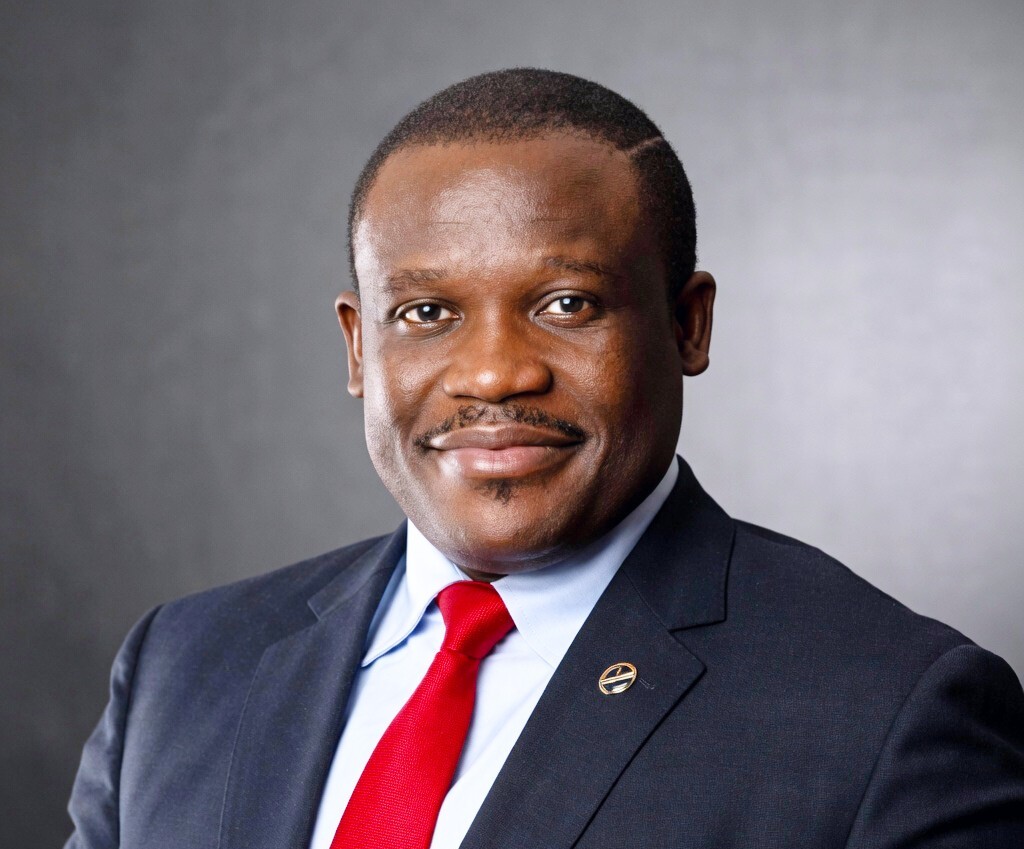
The Minister for Communication, Digital Technology and Innovation, Samuel Nartey George, has launched a sharp attack on the Ghana AIDS Commission, accusing the public health body of distributing lubricants to men who have sex with men — a practice he says is incompatible with the Commission’s core mandate and an unjustifiable use of scarce public health resources.
George, who also serves as Member of Parliament for Ningo-Prampram and is a lead sponsor of the Human Sexual Rights and Family Values Bill, 2025, made the remarks during parliamentary deliberations on the bill on Thursday, using the platform to call for a fundamental reorientation of how the Commission allocates its resources.
“We have evidence of Ghana AIDS Commission officers meeting with pro-LGBTQ groups and giving them lubricants,” the minister told lawmakers. “If the Ghana AIDS Commission is supposed to fight HIV, why are you giving lubricants to men to have anal sex with men?”
The Minister also dismissed the public health rationale typically offered in defence of such interventions — that harm reduction measures targeting high-risk populations, including men who have sex with men, help limit onward transmission of the virus. In his view, the logic does not hold.
“The excuse given is that these are people who already have HIV, and so they don’t want them to spread it. So they are giving them lubricants,” he said. “That in itself is an activity that continues to perpetuate anal sex between men.”
The minister argued that whatever funding is directed toward such programmes should instead be redirected to more urgent maternal health needs — a sector he described as critically under-resourced.
“If they really want to fund public health, they should go and give maternal beds for women who do not have beds for delivery,” he said. “This one, we won’t open the door.”
NPP Communicator Threatens To Quit If Mahama Signs Anti-LGBTQ+ Bill
The Ghana AIDS Commission has not publicly responded to the minister’s remarks. The Commission’s engagement with key populations — including men who have sex with men — forms part of a broader HIV prevention strategy informed by global public health evidence, which recognises such groups as disproportionately affected by the epidemic and therefore central to any effective national response.