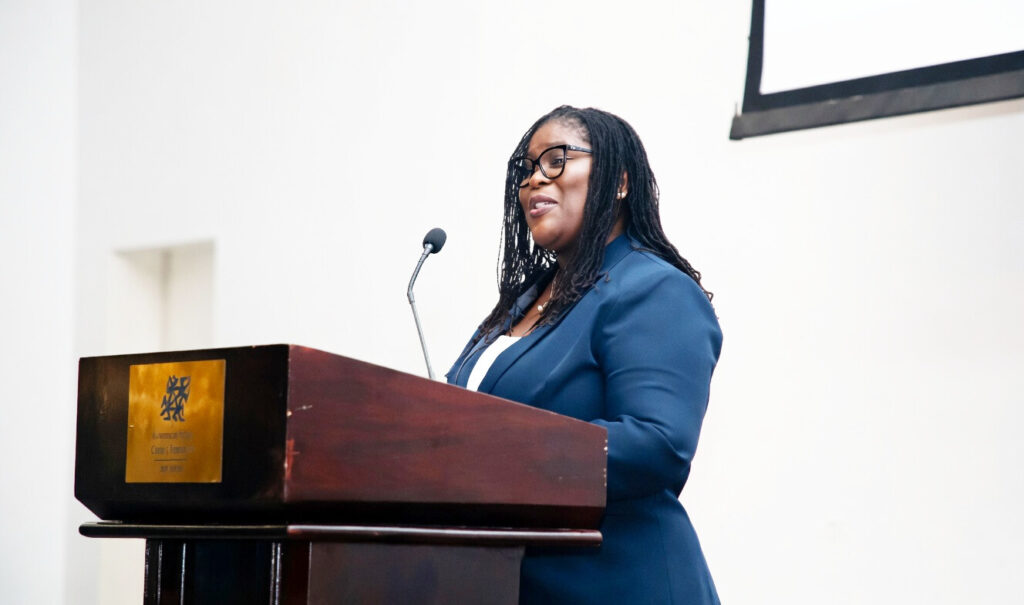
Dr. Naomi Wolali Kwetey says banks must move beyond traditional lending to develop inclusive products that empower women-led businesses and unlock the shea sector’s full economic potential. Ghana’s shea industry has a financing problem — and the Managing Director of Consolidated Bank Ghana wants the financial sector to take it seriously.
Dr. Naomi Wolali Kwetey made that case plainly as she opened the Global Shea Alliance Conference in Accra, delivering an address that positioned access to finance not as a peripheral concern, but as the central lever for transforming one of the country’s most strategically important agricultural sectors.
The conference, running under the theme Shea 2026: Beyond Borders, has drawn stakeholders from across Africa and the wider global market to the Ghanaian capital for a multi-day programme of discussions on innovation, sustainability, and the cross-border partnerships shaping the industry’s future. It continues through April 29, 2026.
Finance as the Missing Link:
Dr. Kwetey’s core argument was straightforward: the shea value chain cannot reach its potential without deliberate, targeted financial intervention — and the current model of traditional banking is not built for that task.
Many of the businesses operating within the shea sector, she noted, are small and medium-sized enterprises that lack the collateral structures and financial histories that conventional lending requires. Women-led businesses, which are particularly prominent throughout the shea supply chain, face compounded barriers to accessing the capital they need to scale operations, improve productivity, and invest in value addition.
The answer, in her view, lies in financial institutions designing products that meet these businesses where they are — inclusive instruments built around the realities of the sector rather than the assumptions of standard corporate banking.
Northern Ghana’s Untapped Potential:
Dr. Kwetey was equally emphatic about what is at stake if that financing gap is closed. The shea industry, she argued, holds significant and still largely untapped potential for job creation and economic transformation — particularly in northern Ghana, where the bulk of shea raw material is harvested and where economic development has historically lagged behind the south.
Washington To Host World Bank Group Spring Meetings This Year
Unlocking that potential, she suggested, requires the private sector and financial institutions to treat the shea value chain not as a niche agricultural concern but as a serious engine of national economic development.
Dr. Kwetey used the platform to reaffirm Consolidated Bank Ghana’s positioning as a committed partner to the sector, pointing to the bank’s existing efforts to support SMEs as evidence of a broader institutional orientation towards inclusive growth. A strong private sector, she stressed, is not incidental to national development — it is foundational to it.
The Global Shea Alliance Conference continues through 29 April, with sessions expected to focus on supply chain resilience, increased investment flows, and sustainability frameworks for an industry that supplies global markets with one of West Africa’s most sought-after natural commodities.