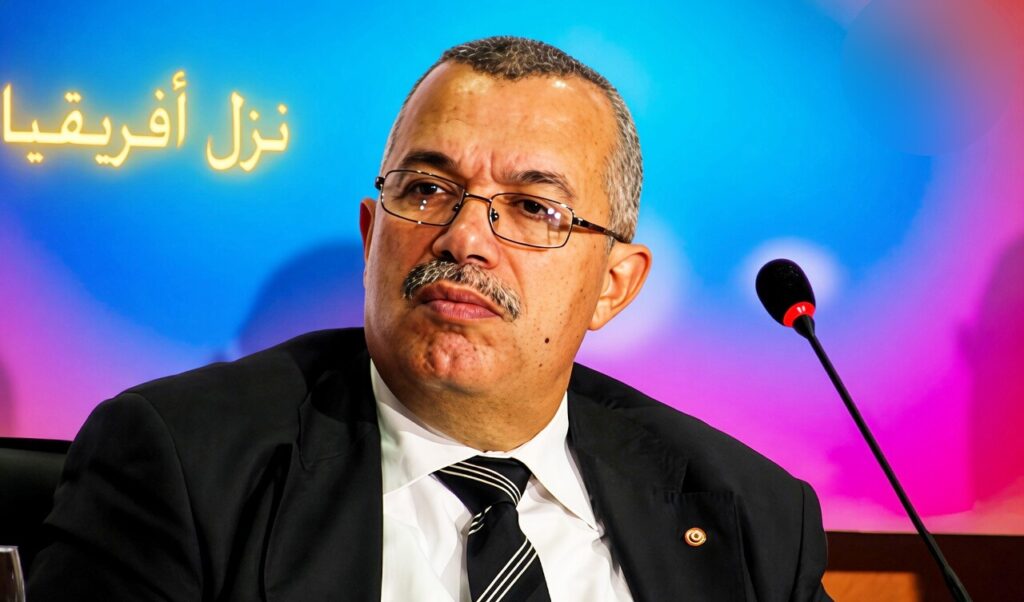
A Tunisian court has sentenced Noureddine Bhiri, former justice minister and a senior figure in the opposition Ennahda movement, to 20 years in prison on charges of authorising the fraudulent issuance of passports and citizenship documents to foreign nationals linked to terrorism cases — alleged offences dating to his time in office in 2012.
The conviction, reported by Tunisian state media, was immediately and forcefully rejected by Bhiri’s legal team, who dismissed the charges as a politically engineered prosecution bearing no genuine relation to criminal conduct.
The sentence lands on top of an already crushing legal burden. Bhiri is currently serving a 43-year prison term handed down last year in a separate case involving alleged conspiracy against state security — a staggering combined total that his defenders say illustrates the scale of judicial pressure being brought to bear on Tunisia’s most prominent opposition voices.
The ruling casts fresh and unflattering light on the direction of governance under President Kais Saied. Since his sweeping power grab in 2021 — when he suspended parliament and concentrated authority in the presidency — an expanding roster of politicians, journalists, lawyers, and civil society activists have found themselves facing arrest and prosecution.
Trump Is Considering Buying Spirit Airlines
International human rights organisations have grown steadily more vocal in their alarm, characterising the pattern as a systematic and accelerating campaign to silence dissent and eliminate meaningful political opposition.
The weight of that criticism is sharpened by what Tunisia once represented. For more than a decade, the country was upheld across the Arab world and beyond as the singular democratic success story of the Arab Spring — the one nation where the popular uprisings of 2010 and 2011 produced not instability and authoritarian retrenchment, but a functioning, if imperfect, democratic order.
That distinction, hard won and internationally celebrated, has been progressively dismantled as concerns deepen over judicial independence, the closing of political space, and the deployment of the courts as a tool of political control.
For Bhiri and those who stand beside him, the 20-year sentence is the latest act in what they describe as a persecution. For Tunisia’s democratic identity, it is another marker on a trajectory that grows more troubling with each passing verdict.