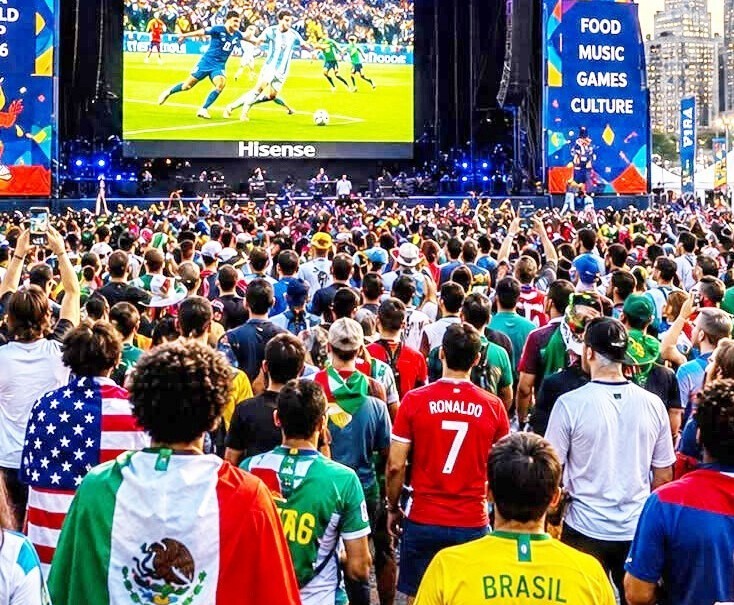
One of the most contentious storylines surrounding the 2026 FIFA World Cup has had nothing to do with tactics, squads, or form — it has been the cost of simply getting through the gate.
As the tournament gets underway across the United States, Canada, and Mexico, an unprecedented ticketing model has left thousands of fans on the outside looking in, raising urgent questions about accessibility, affordability, and the direction football’s governing body is taking the sport’s showpiece event.
FIFA structures its World Cup tickets across four pricing categories, with Category 1 offering the premium matchday experience closest to the pitch. At the 2022 World Cup in Qatar, Category 1 group stage tickets were priced at roughly US$220 — steep for many supporters, but manageable for the dedicated few willing to plan and save.
For Qatar’s final, those same premium seats climbed to approximately US$1,600. Significant, yes — but what has unfolded at this edition has made even those figures look restrained.
For the first time in World Cup history, FIFA has introduced dynamic pricing — a model where ticket costs fluctuate based on demand, timing, and market conditions, both across different fixtures and even for the same game over time.
When Category 1 tickets first went on sale in autumn 2025, the reported baseline sat at around US$600. Within months, that figure had ballooned. Today, the same tickets generally sell for over US$1,000, with some fixtures commanding prices that stretch considerably higher still.
The model — borrowed from the concert and airline industries — may maximise FIFA’s revenue, but critics argue it fundamentally changes who gets to attend a World Cup, transforming what was once a festival of global football into an event increasingly accessible only to the wealthy.
Spence To Play At The World Cup With Protective Mask
The financial barrier has had a tangible consequence: empty seats. Reports from multiple sources indicate that a number of games have yet to sell out, with fans either priced out entirely or adopting a wait-and-see strategy in the hope that prices will ease as kickoff approaches.
On FIFA’s own resale platform and across secondary markets, prices for some fixtures have already begun to soften as the tournament draws near — a sign that demand, at current price points, is not meeting supply.
The picture is perhaps most striking for one of the most anticipated matches on the schedule. A report by The Athletic published late last month revealed that thousands of tickets remain unsold for the United States’ group stage opener against Paraguay, with data indicating that the game is not on course to sell out at existing prices and current rates of purchase.
The empty seats and soaring prices have sparked a wider debate about what kind of event FIFA wants the World Cup to be. Dynamic pricing may be efficient economics — but in a sport that prides itself on being the people’s game, the sight of unsold tickets at the sport’s greatest tournament is a powerful and uncomfortable image that football’s administrators will struggle to ignore.