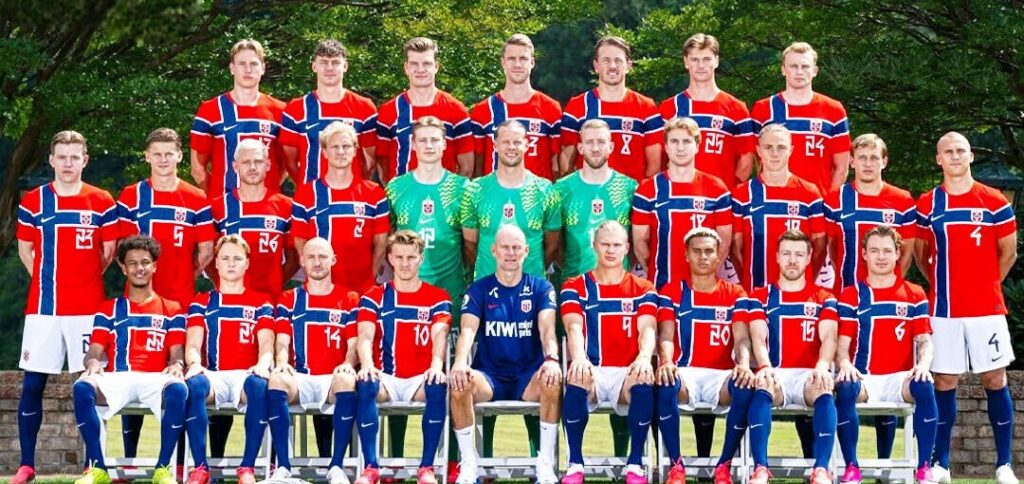
From the fjords to the tournament base, Norway are leaving nothing to chance — shipping in truckloads of traditional food and a Culinary Olympics champion to fuel Haaland and company.
When Norway booked their place at the 2026 FIFA World Cup, the logistics planning went far beyond travel schedules and training pitches. Deep inside the camp’s preparation blueprint was a question that elite sports science now treats with the same seriousness as tactics: what will the players eat?
Norway have arranged for a substantial cargo of traditional Norwegian food to be transported directly to their World Cup base — a deliberate and carefully considered move to ensure the squad performs at its peak from the moment the tournament kicks off.
What’s in the Shipment
The food cargo reads like a curated menu from a high-end Oslo restaurant. The consignment includes 300 kilograms of traditional Norwegian fish, 116 kilograms of authentic Norwegian cheese, and an eye-catching 6,000 fresh oranges — providing a combination of premium protein, essential fats, and natural vitamins calibrated for the demands of elite football at altitude and under pressure.
These are not arbitrary selections. Norwegian fish — rich in omega-3 fatty acids and lean protein — has long been a dietary cornerstone for Scandinavian athletes. Paired with high-quality dairy and the natural recovery benefits of citrus, the nutritional logic is as deliberate as a Haaland run in behind the defence.
Mexico Boosts Security Around World Cup Fan Festival As Protests Grip Mexico City
To ensure the ingredients are transformed into performance-ready meals, Norway have brought in one of their most decorated culinary talents. Aron Espeland, a Culinary Olympics gold medalist, has been enlisted as the squad’s head chef for the duration of the tournament.
Espeland’s appointment elevates the role of camp nutrition from a logistical afterthought to a competitive priority. In a tournament environment where players are subjected to unfamiliar climates, jet lag, irregular schedules, and the psychological weight of representing their nation, the quality and comfort of food can be a genuine differentiator.
Feeding Haaland, Ødegaard and a Nation’s Hopes
The beneficiaries of this meticulous planning include some of the most recognisable names in world football. Manchester City striker Erling Haaland and Real Madrid playmaker Martin Ødegaard are among the stars who will benefit from a diet anchored in the foods they have grown up eating — familiar tastes that trigger both physical comfort and psychological ease in a high-pressure environment.
The strategy is built on a principle that sports scientists have championed for years: dietary disruption is performance disruption. By keeping players on nutrition that mirrors their everyday habits at home, Norway aim to optimise recovery between fixtures, sustain energy levels across the tournament’s gruelling schedule, and remove one more variable from the complex equation of World Cup success.
Norway’s approach is a vivid illustration of how modern international football has evolved into a full-spectrum performance enterprise. Tactics, physical conditioning, and mental preparation have long been refined to the finest margins. Nutrition has now joined them at the top table.
As the 2026 World Cup takes shape, the Scandinavians have sent a clear message: when it comes to preparation, nothing — not even the cheese — is being left to chance.