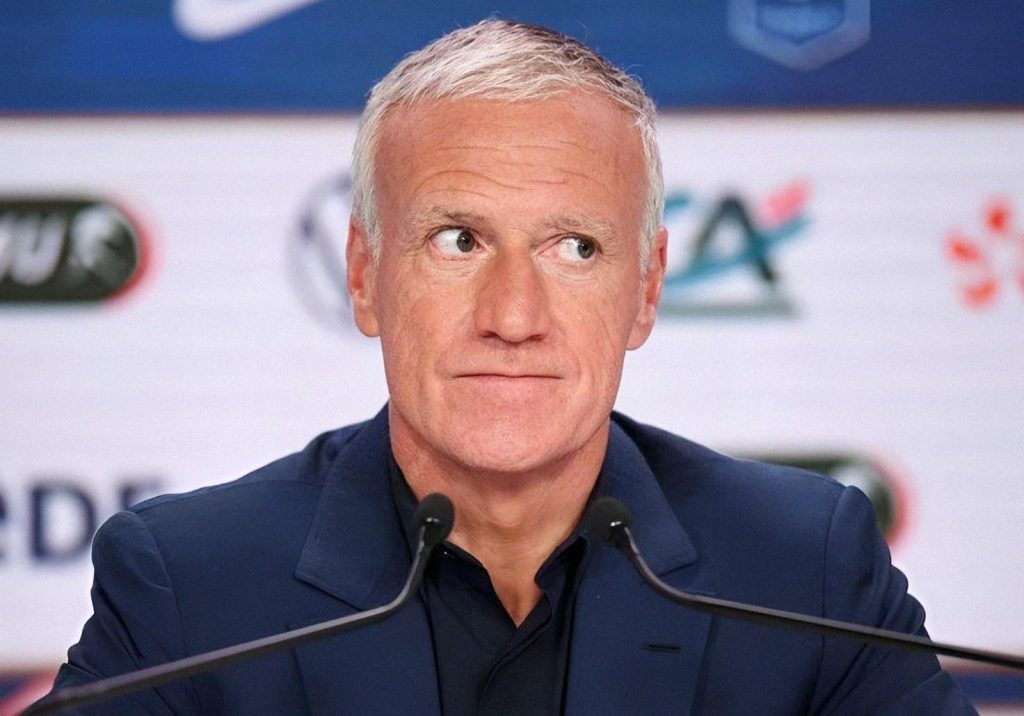
In the glittering theater of world football, where flair and fireworks often steal the spotlight, Didier Deschamps moves like a shadow — steadfast, understated, and profoundly effective. As France stands on the precipice of a second consecutive World Cup final in 2026, the man they call “Dédé” is crafting what could be the crowning chapter of a legacy built not on romance, but on resilience, discipline, and an unyielding will to win.
It is easy to overlook Deschamps. In an era obsessed with tactical revolutionaries and charismatic showmen, he has never courted the dramatic. No theatrical touchline gestures. No lengthy monologues about philosophy. Just results. Since taking charge in 2012, he has transformed Les Bleus into one of the most formidable forces in international football — a team that reaches the business end of tournaments with metronomic regularity.
Think of 2018: France lifted the World Cup in Russia, with Deschamps becoming only the third man in history to win it as both player and coach. Then 2022: another final, a heartbreaking penalty shootout loss to Argentina in one of the greatest matches ever played. And now, in 2026, on American soil and in what he has declared will be his farewell tournament, Deschamps has steered a blend of superstars and emerging talents back to the brink of immortality.
Player Ratings: France Vs Morocco (World Cup 2026 Quarterfinal)
Back-to-back World Cup finals. Let that sink in. In the modern game, with its depth of competition and punishing schedules, it borders on the miraculous. Only the true greats — the Beckenbauers, the Zagallos — have orchestrated such sustained excellence at the pinnacle. Deschamps belongs in that conversation, even if he would quietly deflect the praise toward his players. What makes his story beautiful is its quiet poetry. Born in Bayonne, a product of the French footballing soul, Deschamps was never the most gifted player on the pitch.
Nicknamed “the water-carrier” by Eric Cantona, he was the tireless midfielder who did the unseen work — winning the ball, organizing, leading. That same spirit defines his coaching. He is the glue, the steady hand that balances Kylian Mbappé’s brilliance with the hunger of the next generation. He fosters unity in a squad full of egos and egos-to-be. He wins when it matters.
Critics have called him pragmatic, even boring. But beauty in football isn’t always found in rainbow flicks and no-look passes. Sometimes it resides in the perfectly timed substitution, the disciplined defensive shape that frustrates superior talent, and the calm authority that keeps a dressing room focused when the world is watching.
As the 2026 tournament reaches its climax, Deschamps stands as a reminder that true greatness often whispers rather than shouts. Whether France claims another star on the shirt or falls just short, his place is secure. He has given a footballing nation — and the game itself — something rarer than silverware: sustained excellence wrapped in dignity.
In an age of noise, Didier Deschamps has proven that the most beautiful stories are sometimes told in measured tones, with iron will and quiet grace. And if this is indeed his final dance, the football world would do well to pause, applaud, and finally give the man his flowers. He has earned them.