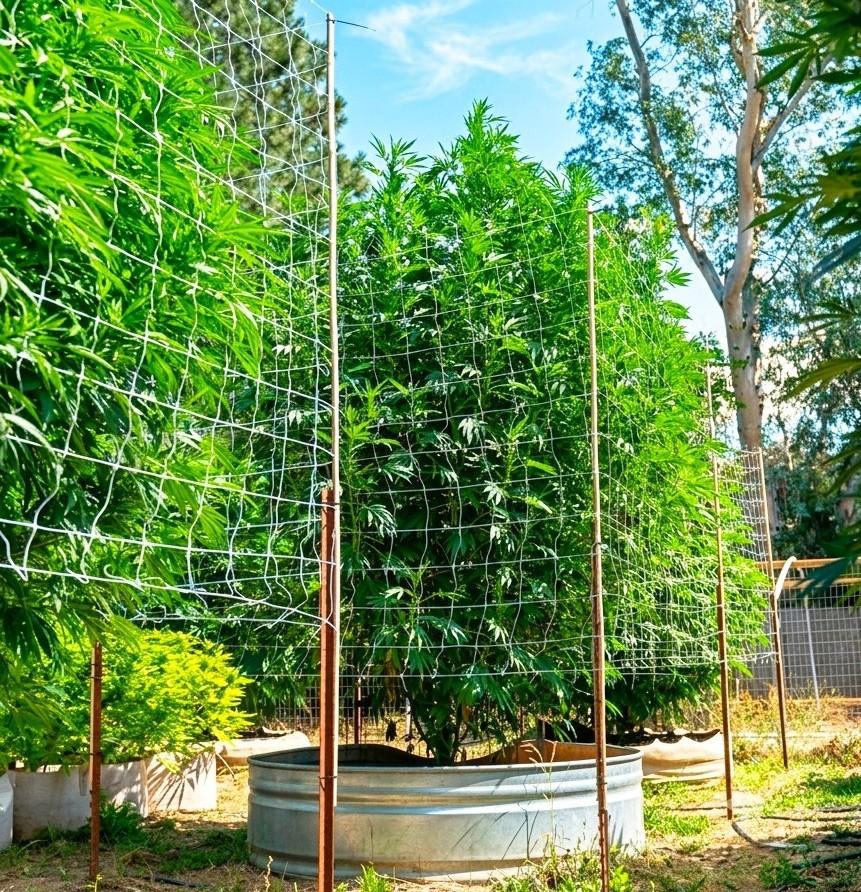
Few industries in the modern world exist under as much scrutiny as the cannabis industry. From cultivation and processing to transportation, marketing, distribution, prescription, and consumption, almost every step in the cannabis value chain is governed by layers of regulations. It is perhaps one of the few businesses where success depends not only on producing a quality product but also on navigating one of the most complex legal frameworks in the world.
Cannabis has travelled an extraordinary journey through history. For centuries, it was cultivated for medicinal purposes, religious rituals, and industrial uses such as producing rope, textiles, and paper. Yet, during much of the 20th century, it became one of the world’s most prohibited plants, attracting strict criminal penalties in many countries.
Today, attitudes are changing once again, with an increasing number of nations recognizing its medical and economic potential. However, legalization has not meant deregulation. If anything, it has introduced even stricter oversight.
Unlike many agricultural products, cannabis cannot simply be planted, harvested, packaged, and sold. In jurisdictions where it is legal, every stage is monitored. Farmers often require government-issued licences before planting a single seed.
The land may be inspected, security systems approved, and cultivation methods documented. In many places, every plant is assigned a unique identification number and tracked throughout its entire life cycle.
The Best Foods For Healthy Eyes That Promote Clear Vision
Once harvested, regulation becomes even more intensive. Cannabis products are subjected to laboratory testing to determine their potency, purity, and safety. They are screened for pesticides, heavy metals, mould, bacteria, and other contaminants before reaching consumers. Products that fail to meet strict quality standards are destroyed rather than sold.
Packaging and marketing are equally controlled. Many countries prohibit colourful branding, celebrity endorsements, or advertising that could appeal to young people. Health warnings are often mandatory, and child-resistant packaging is required. Businesses cannot freely market cannabis in the same way that companies advertise soft drinks, clothing, or electronics.
Financial regulation also presents enormous challenges. In some parts of the world, cannabis businesses struggle to access traditional banking services despite operating legally under local laws. Insurance, taxation, auditing, transportation, and investment are all subject to heightened scrutiny. Every transaction may be recorded and monitored to ensure compliance with anti-money laundering laws and public health regulations.
International trade adds another layer of complexity. Although some countries have legalized medical cannabis or industrial hemp, international conventions and national laws still restrict cross-border movement in many cases. Exporters and importers must satisfy extensive licensing, documentation, and regulatory requirements before products can move between countries.
Men Are Dying In Silence: Mental Health Expert Sounds The Alarm On Ghana’s Suicide Crisis
Supporters argue that these regulations are necessary to protect public health, prevent illegal diversion, ensure product quality, and keep cannabis away from minors. Critics, however, believe that excessive regulation increases production costs, discourages small businesses, limits innovation, and allows illegal markets to remain competitive by avoiding compliance costs.
The debate continues, but one fact remains difficult to dispute: cannabis is unlike almost any other commercial product. Few industries are required to document every stage of production, comply with such extensive testing, maintain rigorous security measures, and satisfy multiple government agencies before reaching consumers.
As more countries explore medical cannabis, industrial hemp, and carefully regulated adult-use markets, the industry is expected to expand significantly. Yet growth will continue to be accompanied by stringent oversight. Governments face the delicate task of balancing economic opportunity with public safety, consumer protection, scientific evidence, and responsible regulation.
Cannabis is no longer viewed solely through the lens of prohibition. It is increasingly recognised as an agricultural commodity, a pharmaceutical ingredient, a source of industrial raw materials, and a potential driver of economic development. But unlike most industries, every opportunity comes with a responsibility to meet some of the highest regulatory standards in global commerce.
In fact, the cannabis industry demonstrates a remarkable reality: in today’s world, success is not simply measured by cultivation or sales. It is measured by compliance. And that is why cannabis is widely regarded as one of the most highly regulated businesses in the world.