Ghana generated more than US$10.8 billion in foreign exchange from artisanal and small-scale mining gold alone, a development that significantly strengthened the country’s foreign exchange market and supported the appreciation of the Ghanaian cedi.
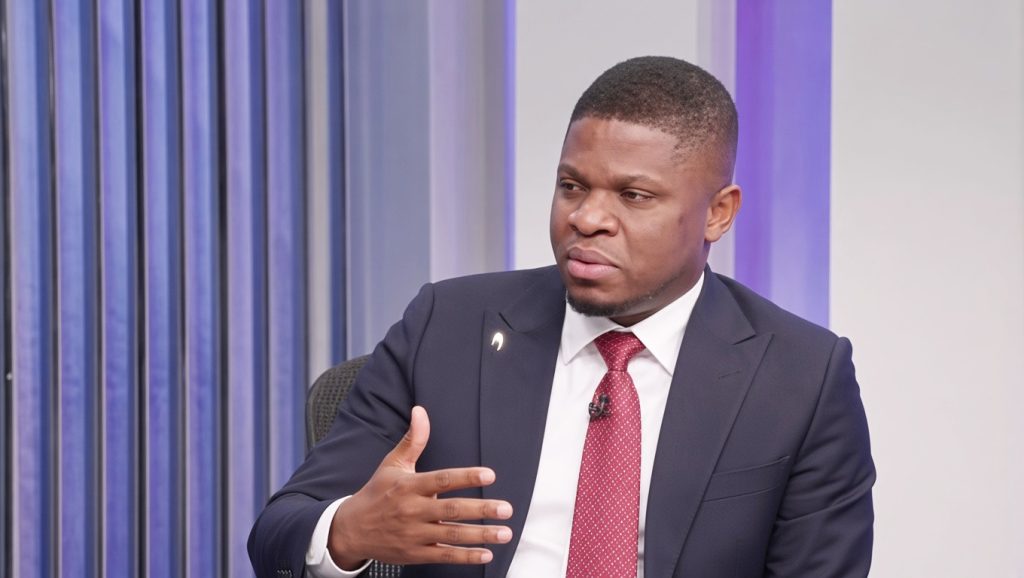
Chief Executive Officer of the Ghana Gold Board (GoldBod), Sammy Gyamfi, disclosed that the substantial inflows from gold purchases played an important role in improving foreign exchange liquidity and strengthening Ghana’s international reserves.
According to Mr Gyamfi, GoldBod’s operations enabled the Bank of Ghana to intermediate approximately US$10.6 billion into the foreign exchange market, helping to provide much-needed liquidity.
He further linked the increased foreign exchange inflows to the strong performance of the Ghanaian cedi, which, according to him, appreciated by more than 41 percent during the period under review.
The GoldBod CEO also pointed to a significant improvement in Ghana’s international reserves.
He said the country’s reserves increased from approximately US$8.9 billion to US$13.8 billion by December 2025, reflecting a major strengthening of Ghana’s external position.
The figures highlight the growing importance of gold in Ghana’s strategy to generate foreign exchange and strengthen macroeconomic stability.
For years, Ghana has relied heavily on traditional sources of foreign exchange, including cocoa, remittances and other exports. The formalisation and centralisation of the artisanal and small-scale gold trade, however, have increasingly positioned gold as a major source of foreign exchange.
GoldBod’s role is particularly significant because the artisanal and small-scale mining sector accounts for a substantial portion of Ghana’s gold production.
GoldBod Opens Licence Renewal Window, But With Tough Requirements
The institution has sought to bring more of the gold trade into the formal economy while improving the country’s ability to capture foreign exchange generated by the sector.
Impact on the cedi and reserves. The relationship between foreign exchange supply and currency stability has been central to Ghana’s recent economic discussions.
A stronger supply of dollars can help reduce pressure on the domestic currency, particularly when demand for foreign exchange is high.
Mr Gyamfi’s figures suggest that the gold sector provided a substantial source of dollar liquidity during the period, which he says contributed to the cedi’s appreciation.
The increase in reserves from US$8.9 billion to US$13.8 billion also represents an important buffer for the country, giving Ghana greater capacity to manage external shocks and meet international payment obligations.
The latest figures represent a strong argument from GoldBod about the institution’s contribution to Ghana’s economic recovery.
Mr Gyamfi made the remarks during a discussion on August 10, 2026, as he explained the impact of GoldBod’s operations on the foreign exchange market and the broader economy.
If sustained, the increased mobilisation of foreign exchange from gold could further strengthen the role of the sector in Ghana’s economic strategy.
The challenge, however, will be ensuring that the gains are sustained while improving transparency, traceability and responsible mining practices across the artisanal and small-scale mining sector.
For GoldBod, the US$10.8 billion figure provides a powerful headline. For Ghana, the bigger question is whether the gold-driven foreign exchange gains can translate into lasting currency stability, stronger reserves and broader improvements in the economy.