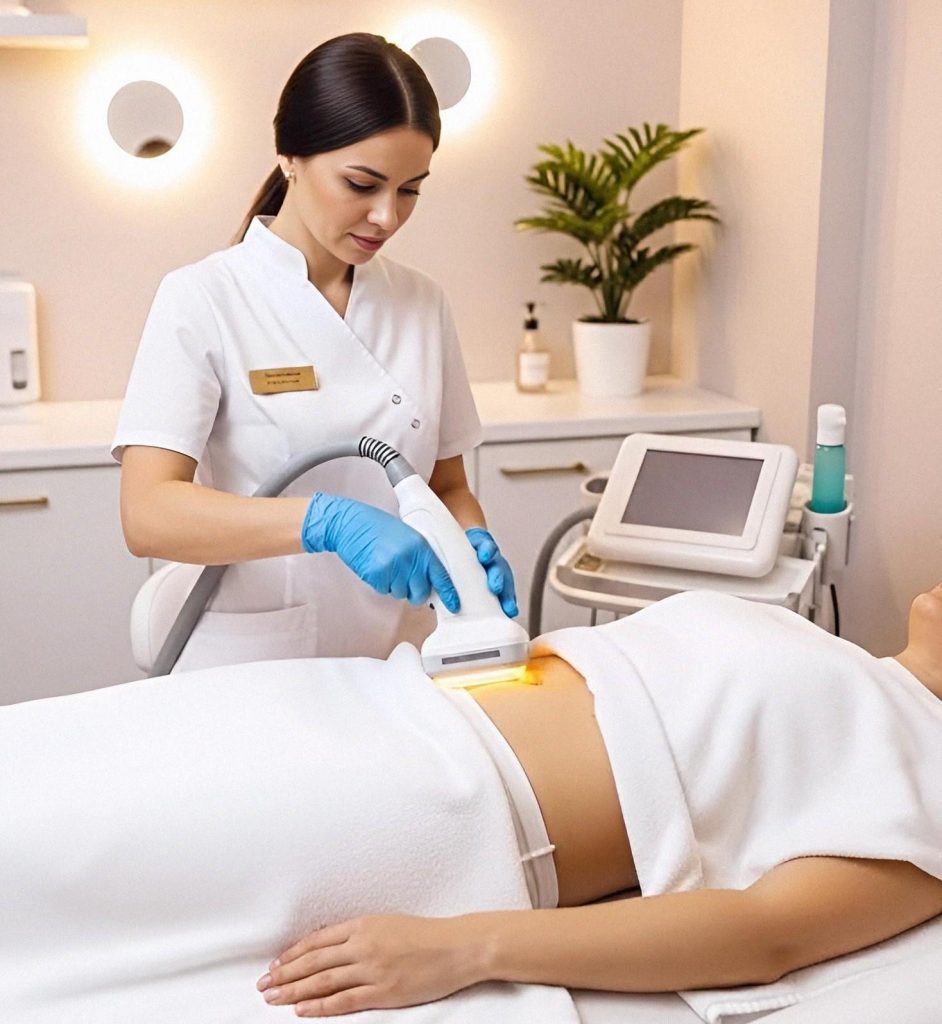
Beauty has never been a fixed idea. What one generation considers attractive, another may consider ordinary. What was once celebrated as a natural gift can suddenly become something people feel pressured to modify. And in today’s image-driven world, the human body has increasingly become a canvas—one that some people leave untouched, while others reshape, enhance, sculpt or completely transform.
From breast augmentation and liposuction to hair transplants, dental veneers, buttock enhancement, cosmetic injections and carefully designed bodies built in the gym, the debate surrounding body enhancement versus natural creation has become bigger than beauty itself.
It is now a conversation about confidence, identity, money, social pressure, personal choice and, sometimes, the desire to become the person one has always imagined in the mirror. But behind the glamorous photographs and dramatic transformations are stories that are beautiful, painful, surprising and sometimes downright strange.
There is nothing new about humans trying to improve their appearance. For centuries, people have used clothing, hairstyles, cosmetics, jewellery, tattoos, body modification and other techniques to alter or emphasise their appearance. Modern cosmetic procedures have simply taken this desire to another level.
Today, someone who dislikes the shape of their nose can consider rhinoplasty. A person unhappy with excess body fat may explore liposuction. Someone experiencing hair loss may seek a transplant. Others may use fillers or other non-surgical treatments to change particular facial features. For some people, these changes are not about impressing others. They are about looking in the mirror and finally seeing a version of themselves they feel comfortable with.
A person who has spent years feeling insecure about a particular feature may experience a significant boost in confidence after changing it. That is the interesting side of enhancement. There are people who argue that cosmetic enhancement should not automatically be dismissed as vanity. If someone has the resources, understands the risks and makes an informed decision, why should society decide what they should do with their own body?.
This argument has gained strength as cosmetic procedures have become more mainstream. Body enhancement can sometimes help people regain confidence following pregnancy, major weight loss, ageing, illness, injury or other life-changing experiences. For others, it is simply personal preference. The same way someone can choose a particular hairstyle, fashion style or fitness programme, they may choose a cosmetic procedure because it makes them feel better.
The important distinction is choice
When the decision comes from personal satisfaction rather than fear of rejection or relentless social pressure, the experience can be very different. But there is another side to the story. Behind every successful transformation are also stories of disappointment. Cosmetic procedures, like medical procedures generally, carry risks. Results may not always match expectations. Complications can occur, and some people eventually require corrective procedures.
There is also the financial side. What begins as one enhancement can sometimes become a cycle. A person changes one feature, then notices another feature they dislike. Another procedure follows. Social media introduces another beauty trend. A celebrity unveils a new look. A filter changes the way a person’s face appears on a screen. Suddenly, the definition of “perfect” keeps moving. And perfection becomes a target that never stays still.
Perhaps no force has changed the body-enhancement conversation more dramatically than social media. Instagram, TikTok, Snapchat and other platforms have created an environment where people are constantly exposed to carefully selected images. The problem is that many of these images do not represent ordinary reality. Lighting, makeup, posing, camera angles, editing and digital filters can dramatically change appearances. Even when no surgical procedure is involved, the final photograph may be far removed from what a person looks like in everyday life.
This can create an uncomfortable comparison. A young woman may look at an edited photograph and wonder why her waist does not look the same. A young man may compare his body with fitness influencers and feel inadequate. Someone may begin believing that a particular nose, jawline, waist, breast shape or backside is the standard they must achieve. The danger is that people can begin modifying themselves to compete with an image that was never completely real in the first place.
And then there is natural creation
On the other side of the debate are those who proudly embrace what nature gave them. They exercise, eat carefully, maintain their skin and hair, dress well and allow their bodies to age naturally. For these people, there is beauty in authenticity. Stretch marks can tell the story of pregnancy. Wrinkles can represent years lived. Grey hair can symbolise maturity. Scars can remind someone of survival. A changing body can reflect different chapters of life. Natural beauty does not necessarily mean doing nothing.
It can mean enhancing what already exists without fundamentally changing it. Someone can build muscle through exercise. Someone can improve their skin through healthy habits. Someone can lose weight through nutrition and physical activity. The results may take longer, but the journey itself can become part of the reward. The strange stories behind body transformation. Then there are the cases that leave people asking,
“Why would anyone do that?”
Some individuals have undergone multiple procedures in pursuit of a very specific appearance. Others have become obsessed with resembling celebrities, fictional characters or an idealised version of themselves. There are also people who deliberately pursue extreme physical appearances because they see their bodies as forms of artistic expression. What looks strange to one person may represent identity, freedom or art to another. This is where the conversation becomes complicated.
Human beings have always experimented with appearance. What changes over time is the technology available to them—and the cultural definition of what is considered acceptable.
Perhaps the most important question is not whether enhancement is good or bad. It is why someone wants it. Is the person making the decision because they genuinely want a change? Or are they doing it because a partner demanded it? Because friends are making jokes? Because social media has convinced them they are unattractive? Because they believe nobody will love them unless they look a certain way? Because they are chasing an impossible standard of perfection? These questions matter.
Changing a physical feature may alter appearance, but it does not automatically resolve deeper issues of self-worth. If insecurity is the real problem, a procedure may not provide the permanent happiness someone expects. Beauty has a price—but so does insecurity. The beauty industry is enormous because people are willing to spend money on the way they look. But insecurity can also be expensive. People spend money on cosmetics, clothes, gym memberships, diets, hair treatments, skincare, procedures and countless other products because appearance matters to them.
Why Depression Is More Dangerous Than You Think (And How To Fight Back)
There is nothing inherently wrong with caring about appearance. The danger comes when appearance becomes the foundation of identity. If a person’s entire sense of worth depends on looking young, slim, curvy, muscular or conventionally attractive, ageing can become frightening and ordinary imperfections can feel like personal failures.
What about men?
Body enhancement is not exclusively a women’s issue. Men are increasingly participating in the appearance revolution. Hair restoration, cosmetic dentistry, muscle-building programmes, facial treatments, body sculpting and other procedures have become increasingly visible among men. The pressure is different but often just as intense. Men can feel expected to be muscular, youthful, tall-looking, well-groomed and physically imposing.
Social media has also created a booming culture around the “perfect male physique.” The result is a society where both men and women can feel as though their natural bodies are somehow inadequate. Nature versus technology: does one really have to win? Perhaps the biggest mistake is treating the debate as though there must be one winner. Natural beauty and body enhancement can exist together. A person can appreciate what nature gave them and still choose to make a change.
Another person can completely reject cosmetic procedures and feel equally confident. Neither person necessarily has to be wrong. The real issue is whether the decision is informed, voluntary, realistic and safe. People should understand the potential benefits and risks of any medical or cosmetic procedure and seek qualified professional advice rather than relying solely on social media personalities or online trends.
The beauty of imperfection
There is another truth that modern beauty culture sometimes forgets: Human beings were never designed to look identical. Faces are different. Bodies are different. Skin tones are different. Heights are different. Shapes are different. That variety is not a defect. It is humanity. The woman with natural curves and the woman who has chosen cosmetic enhancement can both be beautiful. The man with a naturally muscular body and the man who simply enjoys his ordinary physique can both be comfortable in their skin.
Beauty becomes dangerous only when it stops being a personal expression and becomes a compulsory examination that everyone believes they must pass.
At the end of the day, whether a person chooses enhancement or embraces their natural appearance, one question remains more important than any beauty trend: Are you doing it because you love yourself—or because you have been convinced that you are not enough? There is nothing wrong with wanting to improve your appearance.
There is also nothing wrong with refusing to change. The best body is not necessarily the most enhanced body. Neither is it automatically the most natural one.
One thought on “Why People Change Their Bodies: The Good, Bad And Strange Side Of Beauty”