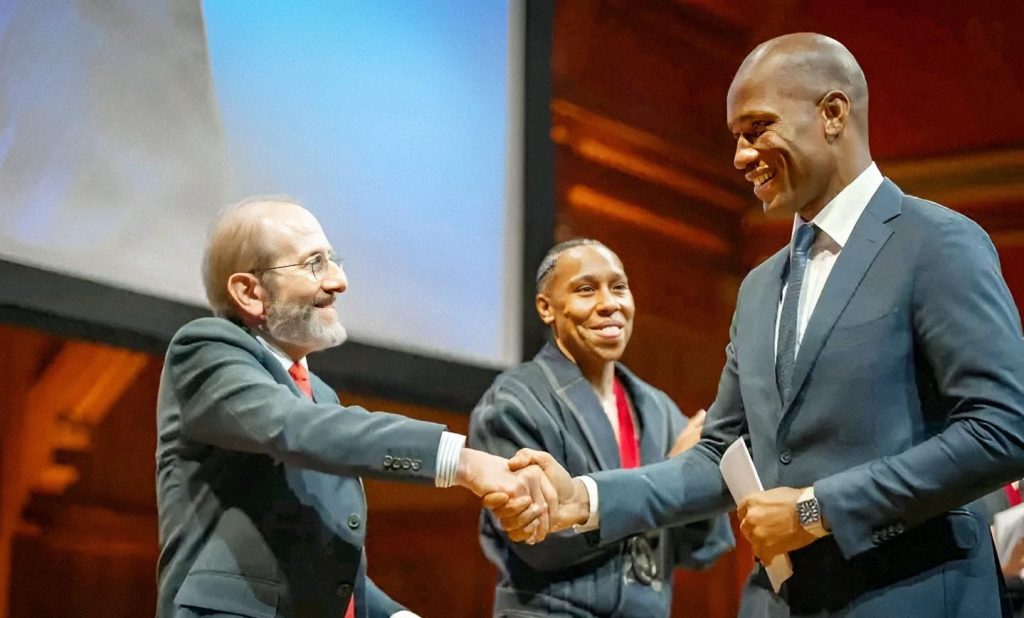
Didier Drogba, the Ivorian striker who terrorised defences across Europe for the better part of two decades, is set to collect one of the most distinguished honours in academia: Harvard University’s W.E.B. Du Bois Medal. The recognition salutes a celebrated football career, but its deeper purpose is to honour what Drogba did with his fame once the final whistle blew.
The medal, named for the pioneering scholar and civil rights thinker, is traditionally reserved for people whose work has advanced the cause of humanity. Drogba’s selection places him in that tradition, singling him out not for his goals or trophies but for his lasting efforts to foster peace, unity and constructive change. As one of Africa’s most admired sporting figures, he has consistently treated his platform as a responsibility rather than a privilege.
The timing gives the honour added weight. It arrives exactly two decades after one of the most emotional scenes in African sporting history: the Khartoum appeal of 2005.
That year, Côte d’Ivoire’s national team had just secured qualification for the FIFA World Cup for the first time ever, a milestone that should have been pure celebration. Yet the country was fractured by civil war, and the players knew it. Inside the dressing room, with the cameras rolling, Drogba and his teammates turned a moment of sporting triumph into a plea for their divided homeland, calling on their countrymen to lay down arms and choose peace.
The message travelled far beyond the stadium. It captured global attention and showed, in the most human terms, how a football team could speak for a nation when politicians struggled to. It remains one of the defining images of the sport on the continent, and it cemented Drogba’s reputation as a man who grasped the weight that comes with influence.
Messi Retires From International Football: Argentina Faces A New Reality
The Khartoum moment was not a one-off gesture. Drogba has continued to channel his public profile into humanitarian work and community development, using his name to draw attention and resources to causes that matter well beyond football. That sustained commitment is what elevates his Harvard recognition from a tribute to a sporting great into an endorsement of a life of service.
What the honour says
Drogba’s selection speaks to a broader truth about modern sport: athletes command attention that few other public figures can match, and when that attention is directed toward healing and hope, the impact can be profound. His story offers a template for how sporting personalities can encourage dialogue, bridge divides and inspire communities, particularly in societies still working through the scars of conflict.
For Drogba, the medal is a reminder that a footballer’s legacy is not written only in goals, titles and personal awards. It is also measured in the lives he has touched, the communities he has supported and the change he has helped set in motion, a legacy that, as Harvard’s recognition makes clear, will be remembered long after the highlight reels fade.