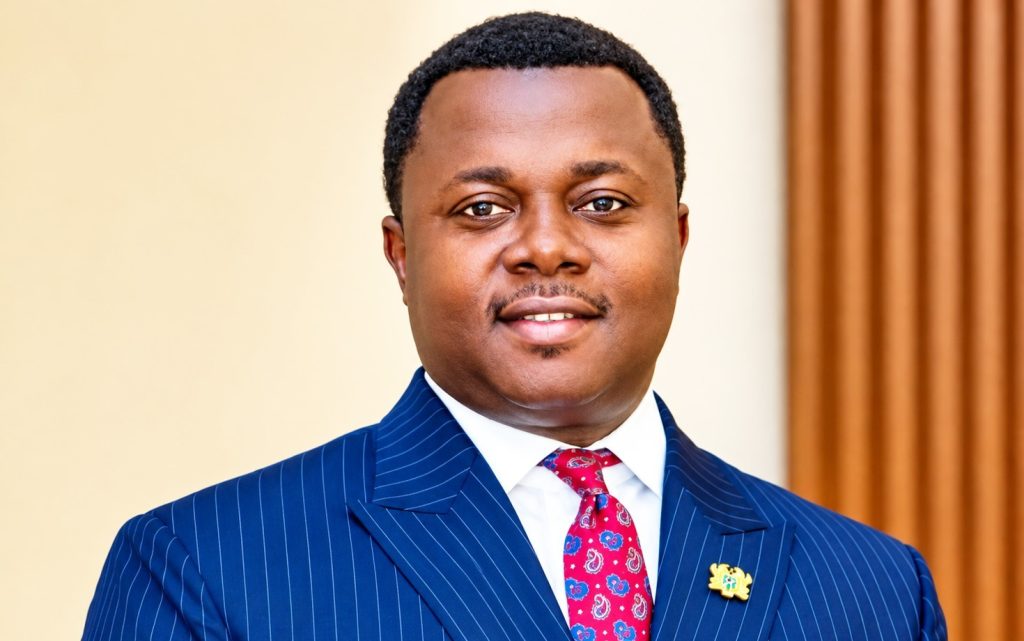
Ghana is again being asked an uncomfortable question: is it becoming a convenient launchpad for international cocaine shipments? A fresh seizure in Spain has pushed that question back to the top of the national conversation. It has also revived attention on Rev. John Ntim Fordjour, the Assin South MP who raised alarms over suspected drug trafficking long before these interceptions made headlines.
On November 11, 2026, Spain’s Tax Agency and Civil Guard announced they had seized 2,600 kilogrammes of cocaine, or 2.6 tonnes, at the Port of Valencia. The drugs came in two shipping containers declared as carrying coconuts. Investigators found that the wooden crates holding the fruit had been rebuilt with false bottoms, and the cocaine was packed in the hidden space beneath.
According to the Spanish authorities, the containers were loaded at Ghana’s Tema Port on August 2 and reached Valencia on August 22. Two people were arrested in Spain in connection with the importation and unloading of the consignment. Back home, Ghana’s Narcotics Control Commission has reportedly arrested a Tema-based freight forwarder, the first publicly confirmed arrest in Ghana linked to the case.
The central puzzle is how a cargo of this size passed through Tema’s export system without being caught. Two tonnes and more of narcotics, packed into crates meant for an ordinary agricultural export, left the country apparently unchallenged.
Valencia does not stand alone. In September 2026, French customs at Dunkirk found nearly 3.9 tonnes of cocaine in a container of plastic waste that had come from Ghana, a haul valued at about US$261 million. In the weeks that followed, suspects were remanded in connection with Ghana-linked shipments, and a group of six was denied bail in the case tied to the 3.9-tonne seizure. Taken together, the cases show how large the investigations facing Ghanaian authorities have become.
The Aircraft Allegations of 2025
This is where Rev. Ntim Fordjour comes back in. In April 2025, he told a press conference that intelligence gathered by the Minority caucus pointed to two suspicious aircraft at Kotoka International Airport: an AirMed air ambulance, flight N823AM, and a Cavok Air Antonov An-12B cargo plane. He alleged that the air ambulance carried no patients and instead brought in suspected cocaine and US dollar cash.
Government spokespersons pushed back hard. They disputed the claims and accused the MP of spreading falsehoods. Even so, President John Mahama said the government took the allegations seriously and directed the relevant security and investigative agencies to look into them. The episode quickly became a political fight, with supporters of the opposition NPP backing the call for scrutiny and government-aligned voices defending the official line.
Has He Been Vindicated?
Many Ghanaians are now asking exactly that, and the honest answer has two parts.
First, his broader warning looks sturdier than it did in 2025. He argued that Ghana’s ports, airports and other entry and exit points were vulnerable to exploitation by drug networks. A string of large foreign seizures traced to Ghanaian cargo gives that concern fresh weight.
Is Ghana Becoming A Cocaine Transit Hub? The Full Episode
Second, the seizures do not prove his specific claims. Nothing in the Spanish or French cases establishes that the two aircraft carried drugs, and nothing implicates any government official. Legitimate concern about drug trafficking is one thing. Having every particular allegation independently confirmed is another. Treating the two as the same does neither side any favours.
What the recent events do establish is that serious questions remain about cargo inspection, border security, intelligence sharing and the enforcement of anti-narcotics laws.
What Is At Stake Beyond The Drugs
The danger reaches past the narcotics themselves. If foreign customs agencies keep finding huge consignments that began their journey in Ghanaian ports, the country’s standing as a dependable trading partner could suffer. Honest exporters, shipping lines and investors may face tougher inspections, longer delays and a reputation they never earned.
The coconut case shows how real that risk is. Coconuts are a legitimate agricultural export, and the farmers and traders who ship them should not see their business tainted by criminals who exploit it as a disguise. The government has to show it can separate lawful commerce from criminal networks and protect the integrity of Ghana’s international trade.
Ghanaians deserve more than another round of accusations and counter-accusations. Authorities should answer plainly:
- How did 2.6 tonnes of cocaine allegedly concealed in export containers leave Tema Port undetected?
- Were the containers subjected to adequate scanning and physical inspection before departure?
- Who owned, financed and facilitated the shipment?
- Are there individuals within the relevant institutions who may have assisted the alleged trafficking networks?
- What progress has been made in investigating previous major cocaine seizures?
- What measures are being introduced to prevent Ghana’s ports and airports from being exploited by international drug syndicates?
These answers must come through credible investigations, transparency and accountability, whatever the political affiliation of those involved.
The debate over Rev. Ntim Fordjour should not shrink into another NDC versus NPP contest. Drug trafficking is a national security matter, not a trophy for one party. Whether a warning comes from the Minority, the Majority or independent security analysts, it should be weighed on the strength of the evidence behind it.
The bigger question may no longer be whether the MP is owed an apology or political credit. It is whether Ghana’s security institutions are properly equipped, independent and accountable enough to stop criminal networks from turning the country into an easy departure point for cocaine bound for Europe.
Every major foreign seizure should be treated as a wake-up call rather than an ordinary political headline. Ghana’s ports must stay gateways for lawful trade, not escape routes for international cartels. And above all, Ghanaians deserve answers.