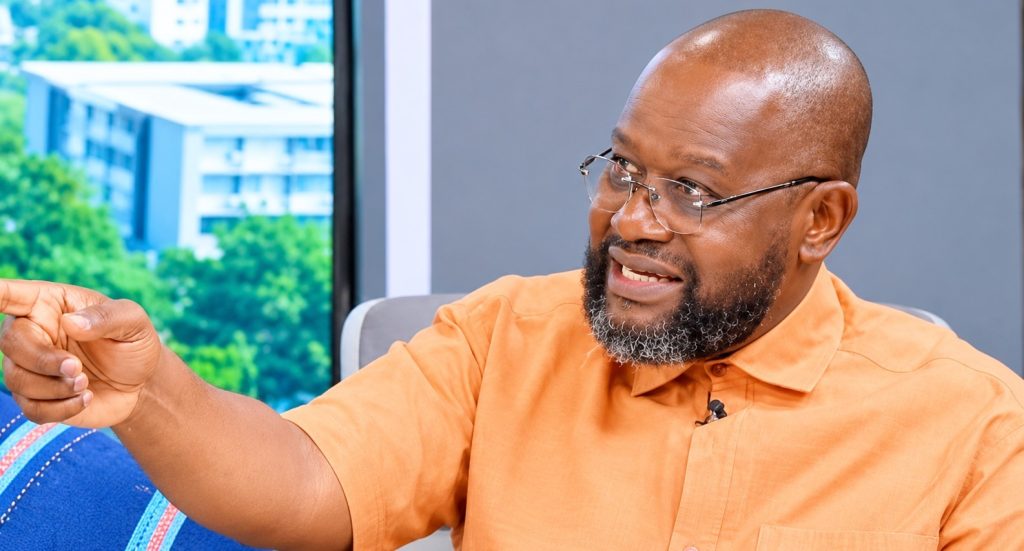
Legal practitioner and political analyst Kwame Jantuah has urged the governing National Democratic Congress (NDC) to place victory in the 2028 general elections at the top of its strategic priorities, arguing that securing another term is essential to bringing its flagship ‘New Economy’ blueprint to full fruition.
Speaking on the political realities of governance on News Flash on JoyPrime TV, Jantuah pointed out that the durability of the administration’s economic reforms hinges on more than just well-crafted policies or campaign pledges; it requires the political longevity to see those initiatives through beyond the current four-year constitutional term. His intervention spotlights a critical vulnerability for the ruling party: whether it can build enough public trust to persuade the Ghanaian electorate that its long-term economic vision warrants an extension past 2028.
Navigating the Four-Year Electoral Cycle
Jantuah’s warning arrives as President John Dramani Mahama’s administration prepares to launch the New Economy initiative—a comprehensive four-year recovery and restructuring framework scheduled to run from 2027 through 2030.
As outlined by Finance Minister Dr. Cassiel Ato Forson, the policy is engineered to overhaul the foundational structure of Ghana’s economy. Its core pillars focus on boosting local production, accelerating industrialization, and generating sustainable jobs. Having occupied a central place in the 2027 Budget Statement and Economic Policy, the programme represents the administration’s primary vehicle for national development.
Ghana Targets Poultry Transformation With New Integrated Investment Partnership
Yet, as Jantuah notes, multi-year economic blueprints inevitably collide with Ghana’s rigid four-year election cycle. Because the timeline of the New Economy stretches two years past the next general election, the government cannot treat policy execution and electoral strategy as separate tracks. Any structural overhaul that outlives a single presidential term depends directly on the incumbent party retaining the mandate to finish what it started.
To earn that continuity at the ballot box, the NDC faces the immediate pressure of turning policy frameworks into everyday relief for citizens. Voters will likely judge the New Economy not by its macroeconomic projections, but by visible progress in key areas:
- Jobs and Livelihoods: Measurable reductions in unemployment rates and expanded support for indigenous enterprises.
- Economic Relief: Noticeable easing in the high cost of living.
- Physical Growth: Tangible strides in industrial capacity and public infrastructure.
At the same time, the administration must contend with mounting skepticism regarding fiscal capacity and execution. Members of the opposition Minority in Parliament have already voiced doubts over whether the government can realistically mobilize the funds needed to bankroll the New Economy while simultaneously honoring its existing financial obligations.
Questions surrounding transparency, accountability, and rollout efficiency remain central to the national debate.
By tying the fate of the New Economy directly to the 2028 polls, Jantuah has reframed the political stakes for the ruling party. Launching an ambitious economic framework is only the initial hurdle; the administration must now deliver verifiable results on the ground to make a persuasive argument for a second term.
Ultimately, Ghana faces a defining test over the next few years: whether the New Economy will take root as an enduring structural shift, or whether its survival will rise and fall with the verdict of voters in 2028.
One thought on “NDC’s ‘New Economy’ Agenda Faces 2028 Electoral Test – Kwame Jantuah”