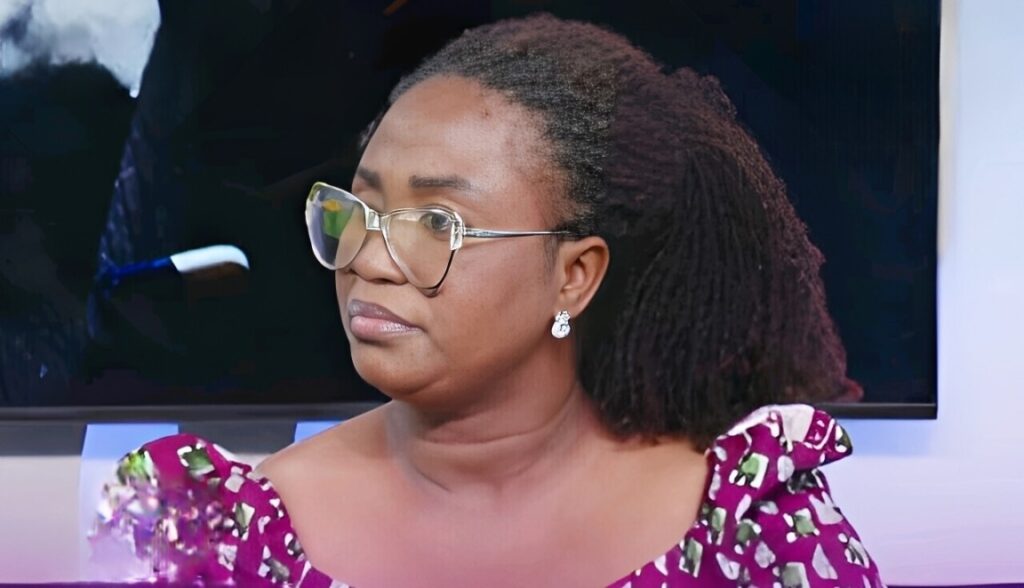
The conversation around suicide in Ghana too often overlooks a stark statistical reality — men are far more likely to die by suicide than women. That was the central message delivered by mental health professional Dr. Sandra Maame Aidoo during a suicide awareness discussion on Joy Prime, and it is one that carries urgent implications for how Ghanaian society talks about — or fails to talk about — male emotional wellbeing.
Dr. Aidoo, who is the resident Psychiatrist at the Korle-bu Teaching Hospital explained that while women may be more likely to show emotional distress openly or seek help at an earlier stage, men face a constellation of pressures that push them toward silence rather than support. Societal expectations around strength and stoicism, deeply embedded stigma around mental health, and a widespread reluctance to seek professional help all contribute to a pattern where men suffer quietly — and sometimes fatally.
The problem, she noted, is not simply individual but cultural. Many men internalise the belief that acknowledging depression, anxiety, financial stress, or relationship difficulty is a sign of weakness. That silence, left unaddressed, can deepen into isolation and allow mental health conditions to deteriorate well past the point where early intervention could have made a difference.
A significant part of Dr. Aidoo’s message centred on the environment that surrounds vulnerable individuals. She called on families, friends, religious institutions, workplaces, and broader communities to actively cultivate spaces where people — men especially — can express emotional struggles without fear of judgment or ridicule.
Why A Tidy And A Beautiful Living Room Is Good For Your Mental Health
She also urged those close to people at risk to stay alert to the warning signs: withdrawal from social activities, changes in behaviour, expressions of hopelessness, or prolonged periods of sadness. These signals, she emphasised, deserve to be taken seriously rather than dismissed.
Dr. Aidoo used the platform to push for expanded public education on mental health and suicide prevention, arguing that emotional wellbeing deserves the same level of societal attention and urgency as physical health. For anyone currently experiencing emotional distress, her message was direct — speak to someone you trust, or seek professional counselling.
The discussion formed part of wider efforts to shift Ghana’s public conversation on mental health toward one rooted in empathy, early action, and community responsibility.
If you or someone you know is struggling emotionally, please reach out to a trusted person or mental health professional. Support is available.