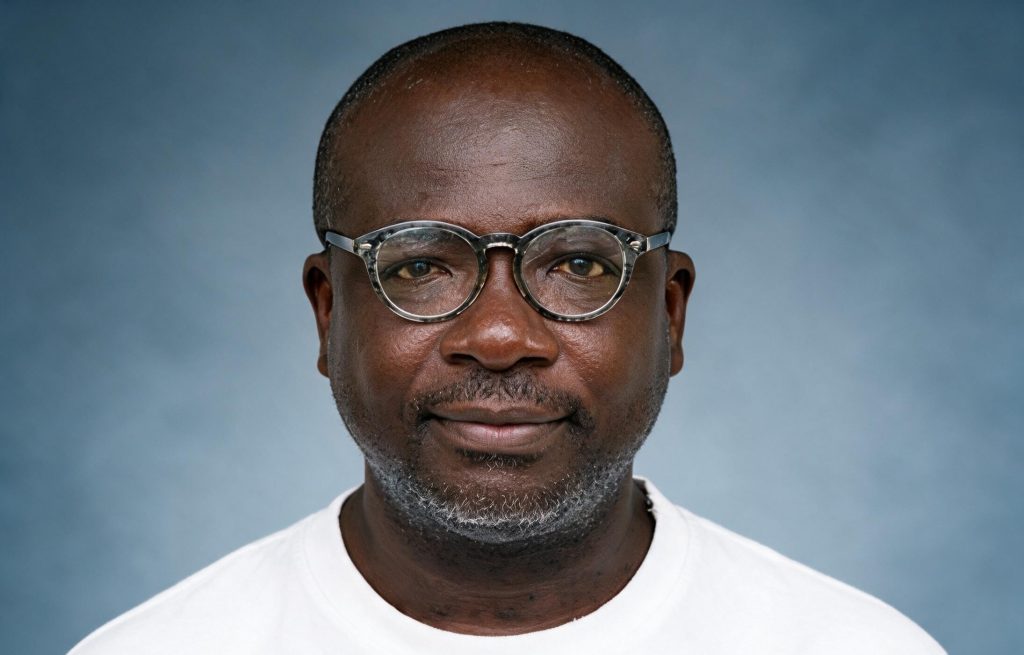
Professor Bernard Kumi-Boateng, the vice chancellor of the University of Mines and Technology (UMaT), has declared that starting with the upcoming academic year, the university will enforce a more stringent dress code in an effort to respect the institution's principles and encourage discipline.
Prof. Kumi-Boateng told the students that he was worried about the rising number of instances of improper attire on campus. He saw that some female students wear apparel he deems unduly revealing, while other male students wear braided hairstyles and earrings to lectures.
The Vice Chancellor said, these tendencies do not align with the standards and reputation the university aims to uphold.
The institution will establish and implement explicit rules regarding appropriate clothing for lectures and other academic events, according to Prof. Kumi-Boateng. According to university rules, students who disregard the new dress code may be subject to sanctions.
Before the start of the upcoming academic year, the institution is expected to publish more information about the dress code and how it will be implemented.
In higher education, appropriate attire is a crucial part of campus life since it shows students' discipline, values, and regard for the learning environment. Students are expected to dress neatly, modestly, and appropriately even though universities and colleges frequently give them the flexibility to pick what to wear.
Ghana School Finishes 4th At Robofest World Championship In Michigan
Wearing appropriate clothing boosts self-esteem and makes a good impression on instructors, other students, and guests. Additionally, it contributes to the upkeep of a professional environment, particularly at formal school activities, lectures, presentations, and internships. Pupils who dress appropriately are frequently seen as responsible and academically oriented.
Wearing expensive clothing is hardly the definition of decent dressing. Instead, it entails dressing in courteous, clean, well-fitting clothing that does not reveal too much of the body or use offensive language or imagery. Decent dressing also includes maintaining good personal hygiene and grooming.
Students should balance fashion with respect for the institution's policies and cultural norms, even though they have the right to exhibit their individual style. Students who dress appropriately help create a positive learning environment and get ready for the working world once they graduate.
Divergent opinions between contemporary fashion trends and ingrained cultural norms are frequently reflected in the controversy surrounding hairstyles, earrings, and skimpy attire. Some contend that educational institutions have the right to establish standards that are consistent with their mission and ideals, despite the fact that many individuals support individual freedom of expression.