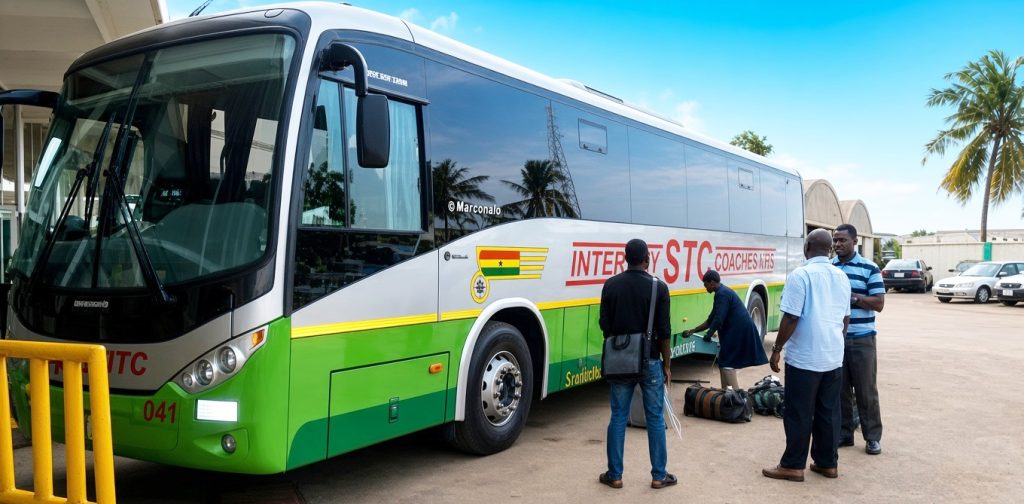
Travellers on the State Transport Company’s routes should prepare to pay a little more. STC is expected to raise its fares by a maximum of eight per cent, in line with the nationwide review of commercial road transport charges.
The move reflects the mounting cost of keeping vehicles on the road. Fuel prices, maintenance bills, spare parts and other running expenses have all climbed, putting pressure on operators across the sector.
The new rates emerged from consultations between the Ministry of Transport, the Ghana Private Road Transport Union (GPRTU) and the Ghana Road Transport Coordinating Council (GRTCC). Their talks produced an approved eight per cent increase in public transport fares, effective Saturday, September 26, 2026.
The review covers more than city buses and trotros. Intercity long-distance services sit alongside shared taxis, intra-city trotros and haulage, which means passengers travelling between major cities and regional capitals will feel the change. The revised fares are built on the approved charges that came into force on May 24, 2025, and passengers are expected to pay according to the official schedule, not whatever figure an individual operator decides to demand.
Operators have complained for some time about the expense of maintaining commercial vehicles and delivering dependable service. The latest adjustment responds to movements in ex-pump petroleum prices, spare parts costs, general maintenance and other operational inputs.
Government Imports 100 Buses To Make Transport Easy For The People
Government also stepped in during the negotiations with a GH¢2-per-litre intervention on diesel, aimed at shielding both operators and commuters from rising fuel costs. The unions acknowledged the relief, saying it softened the final increase.
In practice, an intercity fare of GH¢25 now becomes GH¢27, while a GH¢100 journey rises to GH¢108.
To help passengers check what they are being charged, operators have been directed to display the approved fare schedules at terminals and loading stations. The unions have warned that anyone charging above the approved rates could face sanctions. Passengers on STC and other commercial services are urged to confirm the applicable fare before travelling and to ask questions where a charge does not match the schedule.
The review once again shows how difficult it is to balance the financial needs of transport providers against the burden on commuters. With the new fares in effect, attention now turns to how operators apply them, and whether reliable, affordable service can be maintained for the travelling public.