In the bustling streets of Accra, where the sun-kissed markets hum with life and the Atlantic breeze carries whispers of ancient rhythms, there’s a sound that captures the essence of Ghana like no other: highlife music.
Born from the fusion of colonial echoes and indigenous beats in the early 20th century, highlife isn’t just a genre—it’s a living, breathing testament to cultural resilience. But what makes it so authentically Ghanaian and irresistibly pleasing to the ear? Let’s dive into this melodic treasure trove, where every guitar strum and horn blast feels like a warm embrace from the motherland.
Highlife’s authenticity springs from its unapologetic roots in Ghana’s diverse cultural tapestry. Emerging in the 1920s along the Gold Coast (now Ghana), it was the brainchild of local musicians who blended Akan palm wine music—think laid-back acoustic guitars strummed under starry skies—with Western brass bands introduced by British colonizers. Pioneers like E.T. Mensah, the “King of Highlife,” didn’t just borrow; they reinvented. They infused jazz swings and calypso vibes with Ga and Fante rhythms, creating a sound that’s as Ghanaian as jollof rice spiced with local flair.
This authenticity isn’t manufactured—it’s organic. Highlife mirrors the everyday joys and struggles of Ghanaians: love lost in the lyrics of “Yaa Amponsah,” or the triumphant spirit in dancehall anthems that got feet moving during independence celebrations in 1957. Unlike genres polished in sterile studios, highlife evolved in live settings—beach parties, social clubs, and festivals—where improvisation reigns supreme. It’s not about perfection; it’s about passion. In a world of auto-tuned pop, highlife’s raw, unfiltered energy feels like a direct line to the ancestors, grounding listeners in a heritage that’s both timeless and evolving.
Why Highlife Hooks You Every Time
Now, let’s talk about why highlife doesn’t just play—it pleases. Imagine biting into a ripe mango: juicy, sweet, with a tangy kick that lingers. That’s highlife for your ears. At its core are infectious rhythms driven by congas, claves, and talking drums that mimic the heartbeat of West Africa. These polyrhythms—layers of beats interlocking like puzzle pieces—create a groove so compelling, your body sways involuntarily. It’s science and soul: studies on music psychology show that such syncopated patterns trigger dopamine releases, making you feel euphoric, much like a runner’s high but without the sweat.
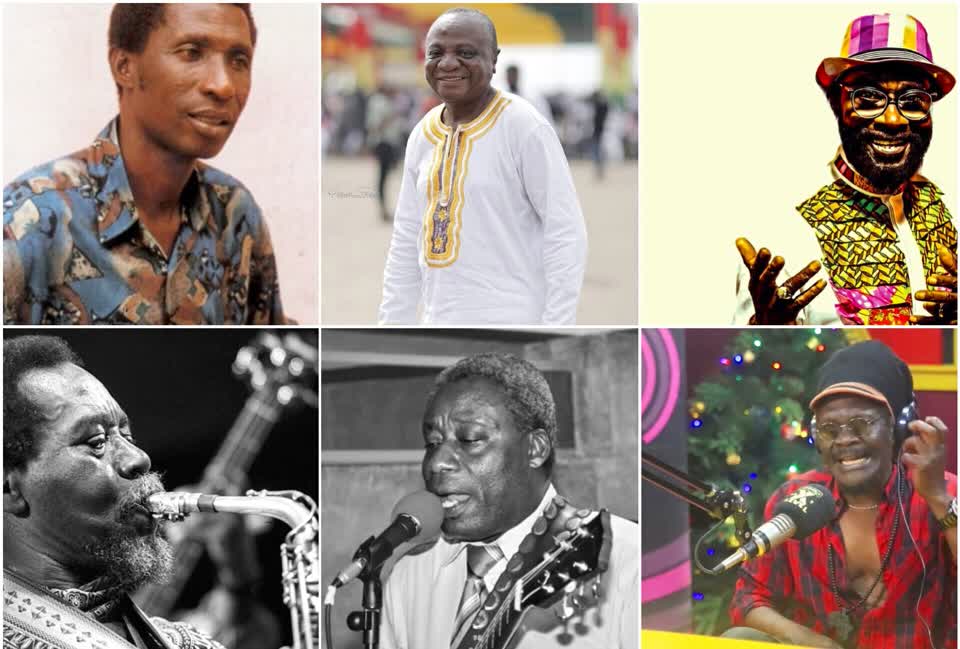
Highlife guitars weave intricate, finger-picked lines that dance like fireflies—bright, playful, and full of surprises. Add in the brass sections—trumpets and saxophones blasting triumphant fanfares—and you’ve got a sonic palette that’s vibrant and versatile. Tracks like Koo Nimo’s acoustic ballads soothe like a gentle rain, while Daddy Lumba’s upbeat hits explode with energy, perfect for a trotro ride through traffic. The vocals, often in Twi or Ga, carry storytelling prowess; even if you don’t speak the language, the emotion transcends—laughter in the lilt, heartache in the harmony.
From Bands To Ballads: Kojo Antwi’s Autobiography ‘Mr. Music Man – The Journey’ Now Out!
What seals the deal is highlife’s balance: it’s uplifting without being saccharine, complex without being overwhelming. In an era of monotonous beats, highlife’s dynamic shifts—from slow builds to explosive choruses—keep your brain engaged. It’s pleasing because it’s human: imperfections like off-key notes or spontaneous ad-libs add charm, reminding us that music, like life, is beautifully messy.
Highlife’s authenticity and allure extend beyond the notes—it’s a cultural ambassador. It bridged ethnic divides in post-colonial Ghana, uniting Ashanti, Ewe, and Dagomba under one rhythmic umbrella. Today, it influences global stars like Burna Boy and fuses with afrobeats in tracks by artists like Sarkodie, proving its adaptability without losing its core. In Accra’s vibrant scene, from Osu nightclubs to Highlife festivals, it’s a reminder that authenticity breeds pleasure: when music stays true to its origins, it resonates deeper.
In a noisy world, highlife whispers authenticity while shouting joy. It’s not just pleasing—it’s healing, a sonic balm for the soul. So next time you hear that guitar riff calling, let it pull you in. Ghana’s highlife isn’t just music; it’s the soundtrack of a nation’s unbreakable spirit. Turn it up, and let the ear candy flow.