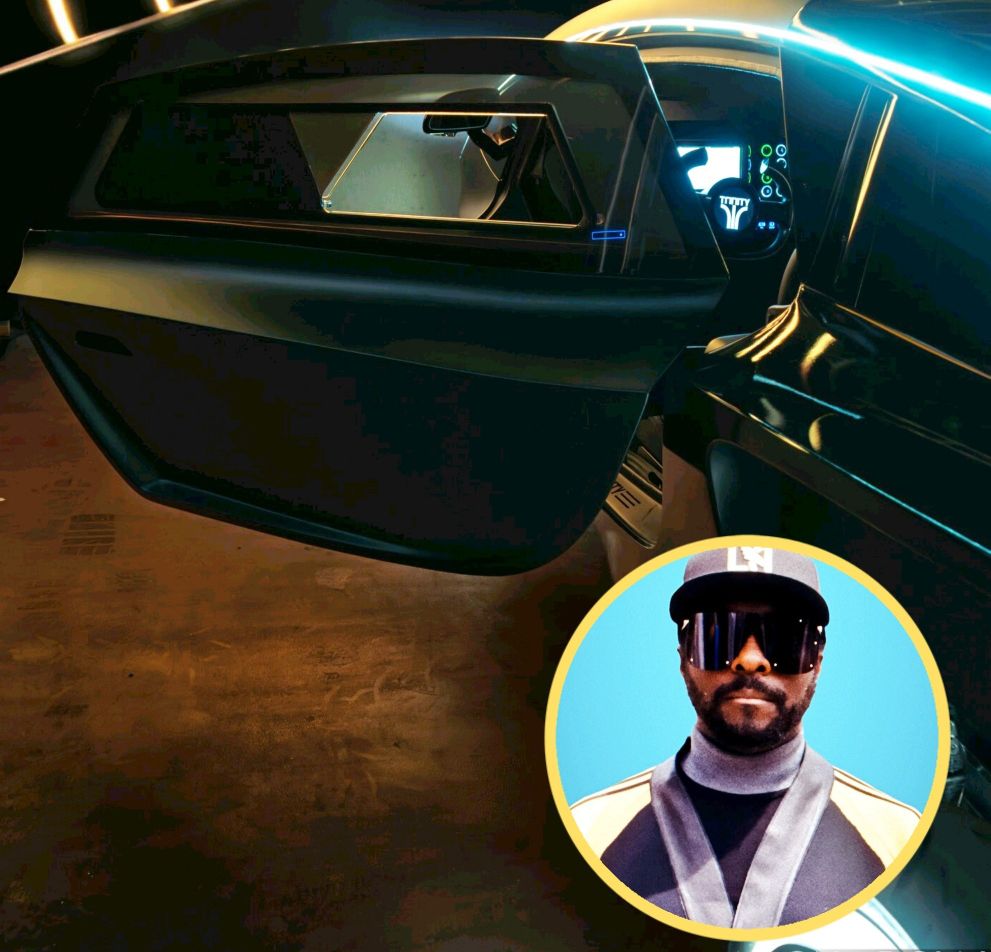
Black Eyed Peas frontman will.i.am has pulled back the curtain on his most ambitious tech venture yet — a sleek, three-wheeled electric vehicle called the Trinity that he envisions as a fully equipped AI workspace on wheels.
The brainchild of William James Adams Jr., the Trinity is a single-passenger urban commuter built around a self-balancing, three-wheel chassis developed in collaboration with DEKA — the engineering firm behind the Segway — giving it the nimble footprint of a motorcycle with the composure of a car. But what sets the Trinity apart is not how it moves; it is what it does while you are moving.
At the heart of the vehicle is a conversational AI agent powered by NVIDIA DGX Spark technology, capable of managing emails, scheduling calendar appointments, firing off messages, setting reminders, and even scouting for nearby parking — all hands-free. A ring of 360-degree cameras feeds the system a live view of its surroundings, allowing the AI to answer questions about the environment in real time. The onboard system also dynamically adjusts music playlists in response to the vehicle’s speed, turning the cabin into a responsive, intelligent environment rather than a passive one.
Adams Jr. has been consistent in his pitch: the Trinity is not just a way to get from point A to point B — it is a mobile office designed to transform dead commuting time into productive work hours.
Apple Buys Polish Startup MotionVFX In A Big Push To Rival Adobe
On paper, the performance figures are equally striking. The Trinity is projected to hit a top speed of around 120 mph, sprint from zero to 60 mph in approximately two seconds, and cover up to 150 miles on a single charge — numbers that punch well above what most urban micromobility vehicles dare to promise.
The prototype made its public debut at CES 2026 in Las Vegas in January, drawing coverage from top media houses including CNN. Adams Jr. founded the company behind the vehicle — also named Trinity — and brought in West Coast Customs alongside DEKA as key collaborators in its development.
For a musician who has long operated at the intersection of entertainment and technology, the Trinity reads less like a side project and more like a natural evolution. Adams Jr. has framed it as a glimpse into a future where humans, vehicles, and AI agents operate as one seamless unit — and where the morning commute is no longer wasted time.