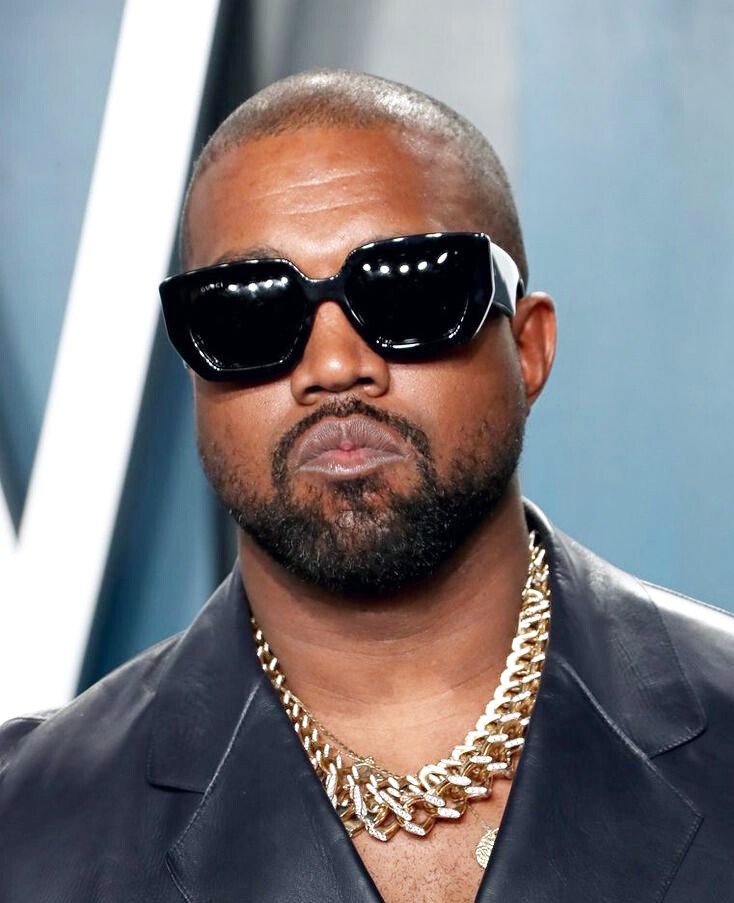
The United Kingdom has drawn a hard line — and Kanye West is on the wrong side of it. In a move that sent shockwaves through the music industry, the British government announced on April 7, 2026, that the rapper and producer — who legally goes by Ye — has been banned from entering the country.
The decision, framed in the unambiguous language of official exclusion, determined that his presence in Britain would not be “conducive to the public good.” The consequences were immediate and sweeping.
West had been positioned as the marquee act for the Wireless Festival, one of London’s most anticipated summer music events, scheduled to take over Finsbury Park in July 2026. His billing as headline act was the kind of booking that drives ticket sales and cultural conversation in equal measure. Instead, it drove a crisis.
With the government’s entry ban in place and the festival’s commercial foundation suddenly unstable, major sponsors wasted little time distancing themselves from the event — pulling their support one after another in what amounted to a coordinated retreat. Unable to survive the twin blows of a banned headliner and a collapsing sponsorship base, organisers took the only remaining option available to them: they cancelled the entire three-day festival. Ticket holders, they confirmed, would receive full refunds.
The Antisemitism Trail That Led Here:
The ban did not arrive without context. British authorities, in reaching their decision, pointed squarely at West’s well-documented history of antisemitic remarks — a trail of comments that has, over recent years, drawn fierce condemnation from politicians, Jewish organisations, civil society groups, and the broader public on both sides of the Atlantic.
The review of his travel authorisation and the subsequent revocation of permission to enter Britain reflect a growing willingness among governments to treat hate speech not merely as a reputational matter, but as grounds for formal exclusion.
West, for his part, has not remained entirely silent.
West previously issued a public apology for certain past comments and signalled a willingness to meet with the UK Jewish community — an apparent attempt to demonstrate contrition and personal growth. But in the court of public and political opinion, the gesture did little to move the needle.
Bianca Censori Testifies In Court In A Demure Outfit
Critics remained firmly unconvinced that words, however conciliatory, were sufficient to offset years of inflammatory rhetoric that had caused genuine harm and fear.
What the UK’s decision ultimately signals extends well beyond one festival cancellation or one artist’s travel status. It reflects a broader reckoning with the question of where the boundaries of artistic platform end and accountability for harmful speech begin — a debate that has consumed the entertainment industry for years without clean resolution.
For Ye, the British ban is the most consequential institutional consequence he has faced yet. For the tens of thousands of fans who had bought tickets to Wireless, it is a summer of music lost to a controversy entirely of one man’s making.
And for the UK government, the message is deliberate and unambiguous: fame, in Britain at least, is no longer a passport of its own.