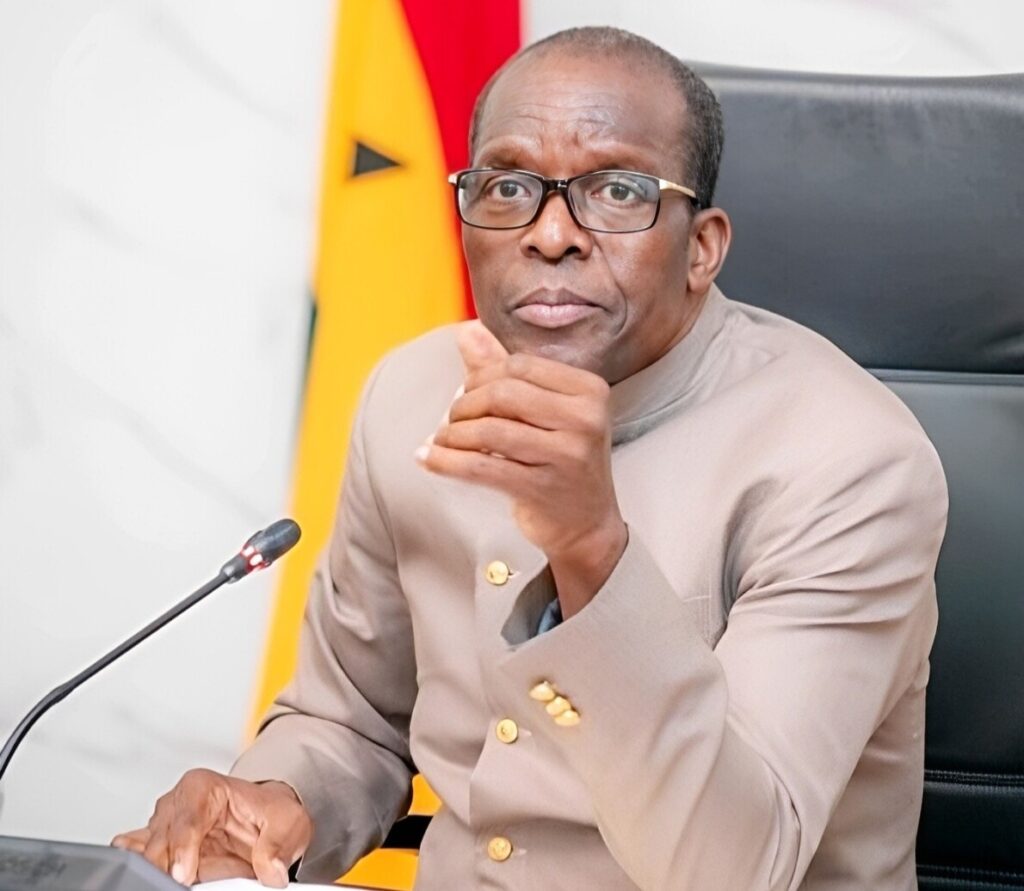
Speaker of Parliament Alban Bagbin has moved to dispel a widely held misconception about the scope of his authority, making clear that security agencies are under no obligation to seek his approval before arresting or inviting a Member of Parliament for questioning — they need only formally notify his office that such an action has been taken.
Addressing Members of Parliament during the opening of the Second Meeting of the Second Session of Parliament on Thursday, May 21, Bagbin said the confusion around this issue had grown to a point that warranted direct and unambiguous clarification.
“It’s not for the security agents to seek my permission before arresting or inviting a Member of Parliament for questioning,” the Speaker stated, cutting through what he described as a growing but mistaken belief that law enforcement must first clear any action against a sitting lawmaker through the Speaker’s office.
Bagbin was emphatic in drawing the distinction between two functions that have apparently been conflated in public discourse: the requirement to notify and the requirement to seek permission. The former, he explained, is what the law demands. The latter, it does not.
His office’s role, the Speaker clarified, is to be formally informed of any incident involving an MP — including the nature of the circumstances and the allegations that prompted the action. From there, the Speaker’s office assesses whether parliamentary privilege or immunity is applicable in the specific case. That assessment is a legal and constitutional function — not a gatekeeping mechanism that law enforcement must pass through before acting.
Ghana Targets $400M Weekly From Gold Under A New GANRAP Programme
In effect, security agencies retain full operational autonomy in deciding when and whether to apprehend or question a Member of Parliament. The Speaker enters the picture after the fact, not before it.
The remarks arrive against the backdrop of ongoing public debate over the legal protections that Members of Parliament enjoy in the context of criminal investigations — a conversation that has at times generated confusion about where parliamentary immunity begins and ends, and what role the Speaker plays in mediating between the legislature and law enforcement.
By placing the boundaries of his authority on the public record in such direct terms, Bagbin appeared intent on ensuring that neither MPs nor the public operate under the impression that the Speaker’s office functions as a shield against legitimate law enforcement action — a misreading that, left uncorrected, could undermine both institutional credibility and the rule of law.
One thought on “Security Agencies Need No Permission To Arrest MPs— Alban Bagbin”