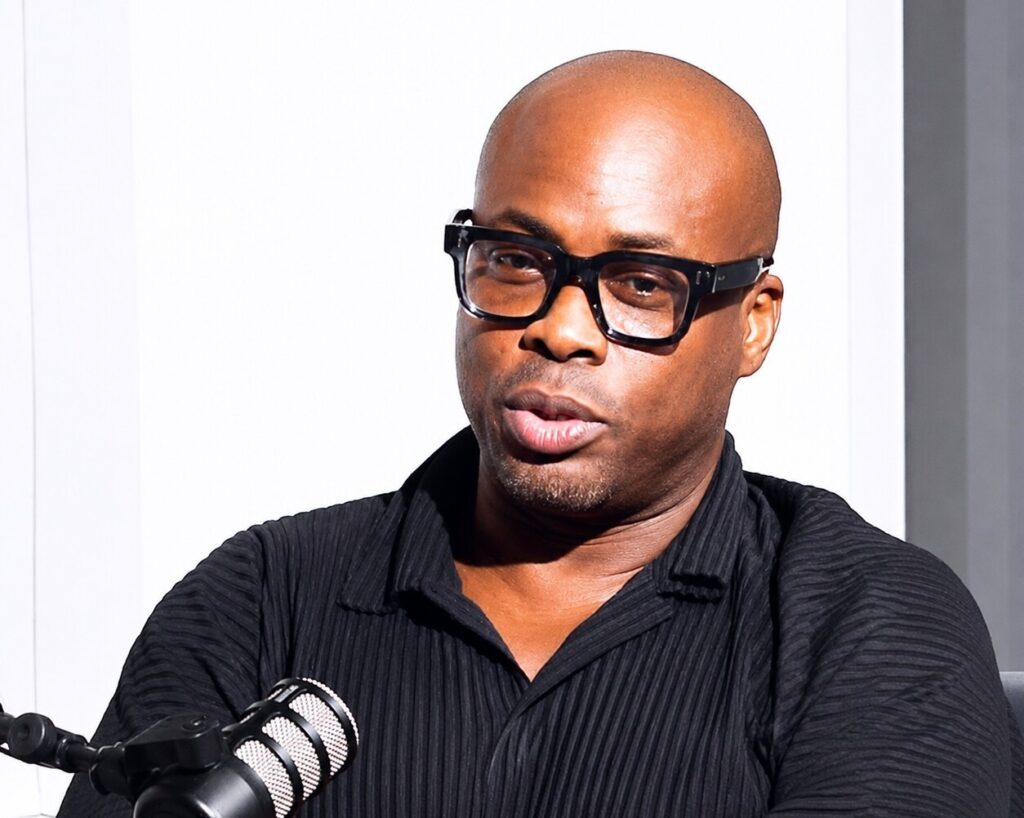
Veteran broadcaster and political commentator Paul Adom-Otchere has thrown a pointed question at the Mahama administration, demanding accountability over the fate of the anti-flooding task force established by President John Dramani Mahama — and asking why Ghanaians are still wading through floodwaters despite its existence.
Speaking on his flagship television programme, ‘Good Evening Ghana’, Adom-Otchere did not mince words. His frustration was palpable, his questions direct, and his message unmistakable: the task force, in his view, has failed to justify its formation.
President Mahama, upon assuming office, moved to signal seriousness on the perennial flooding crisis by constituting a seven-member anti-flood task force — a body mandated to tackle one of Ghana’s most stubborn and recurring national challenges. The announcement was met with cautious optimism in many quarters, particularly among communities that have watched helplessly as floodwaters swallow homes, livelihoods, and, at times, lives.
But weeks on, Adom-Otchere says the silence from that body is deafening.
“What happened to the anti-flooding task force President Mahama set up?” he asked on air, voicing the exasperation of countless Ghanaians who expected visible and measurable action.
He pressed further, questioning what concrete steps have been taken since the task force’s inauguration and why it has remained largely invisible amid a fresh wave of flooding incidents across the country.
Accra’s Flood Crisis: Old Problem, Familiar Frustration
Nowhere is the flooding crisis more acutely felt than in Accra, where heavy downpours reliably transform streets into rivers and communities into disaster zones. The pattern is as predictable as the rainy season itself — yet the response, critics argue, has remained stubbornly reactive rather than preventive.
“Check Your Ministers” – Omanhene To Mahama Over His Ministers Internal Big ‘Fights’
Adom-Otchere’s remarks tap into a broader and growing public frustration. He is not alone in his concerns. Fellow commentators and public figures have increasingly questioned whether the government’s flood management strategy extends beyond the annual ritual of desilting drains — a measure widely regarded as necessary but wholly insufficient on its own.
The flooding problem in Ghana is not simply a matter of heavy rainfall. It is the accumulated consequence of years of neglect across multiple fronts: drainage infrastructure that has not kept pace with rapid urban expansion, unchecked construction on waterways and floodplains, and poor waste disposal habits that choke drainage channels and accelerate flooding when the rains arrive.
These structural issues demand structural solutions — and that, critics argue, is precisely what a well-resourced, active task force should be addressing. Without transparent communication about its activities, timelines, and deliverables, the task force risks becoming another well-intentioned initiative that dissolves quietly under the weight of inaction.
At the heart of Adom-Otchere’s intervention is a question that transcends party politics: when the government creates a body to solve a crisis, who holds that body accountable when the crisis persists?
It is a question Ghana’s flood-weary communities — from Kaneshie to Adabraka, from Tema to Kumasi — deserve a credible answer to. And as the rainy season deepens, the clock is not waiting for a response.
Paul Adom-Otchere hosts ‘Good Evening Ghana’ on Metro TV, one of the country’s most-watched political analysis programmes.