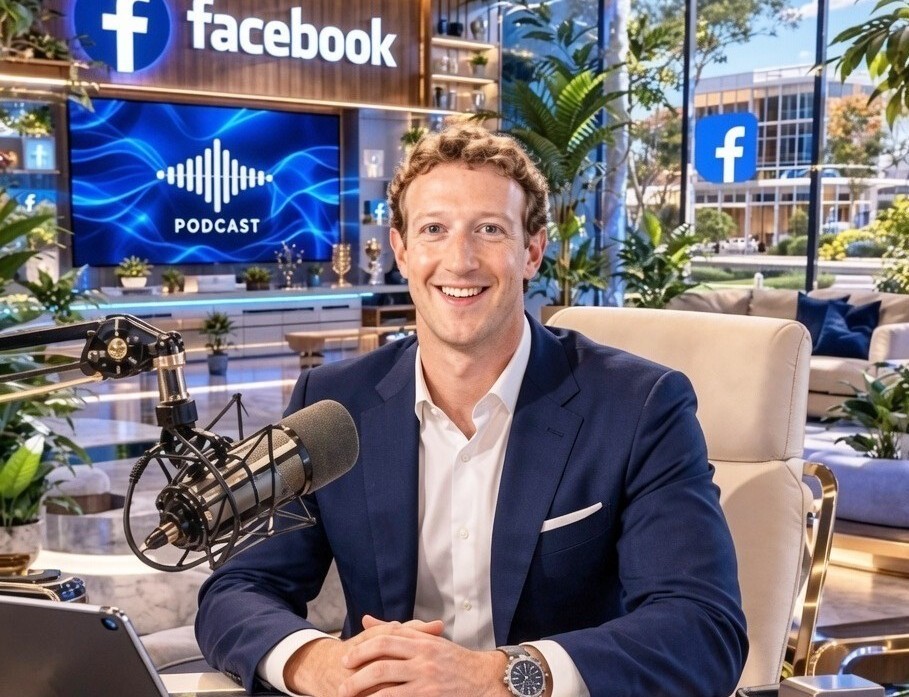
Meta is preparing to enter one of the fastest-growing sectors at the intersection of technology and finance, with CEO Mark Zuckerberg reportedly leading efforts to develop a prediction market platform.
According to a report by The New York Times, later confirmed by multiple sources, Meta is building a new app internally known as Arena. The platform would allow users to predict the outcomes of events across categories including sports, politics, entertainment and financial markets.
Unlike established prediction market platforms, Arena is expected to launch without real-money betting. Instead, users would earn and compete using a video game-style points system. However, reports indicate Meta has not ruled out introducing real-money trading in the future.
Sources familiar with the project say Arena will operate independently of Facebook and Instagram, although Meta could leverage its existing social media platforms to attract users to the new service.
This is not Meta’s first venture into prediction markets. In 2020, the company launched Forecast, a points-based platform designed to crowdsource predictions during the COVID-19 pandemic. The service was discontinued in 2022 after failing to gain widespread adoption. Arena represents Meta’s second attempt, this time entering a market that has grown significantly in recent years.
Prediction markets operate much like stock exchanges, except participants trade contracts tied to the outcome of real-world events. Users can wager on questions such as whether a political candidate will win an election, a sports team will claim a championship, or a company will meet certain financial targets.
The Most Powerful Android Phones In 2026
On major platforms such as Polymarket and Kalshi, traders purchase contracts that pay out $1 if the predicted event occurs and expire worthless if it does not. The value of each contract fluctuates based on market demand, effectively reflecting the collective probability assigned by traders. Supporters argue that because participants have money at stake, prediction markets often generate more accurate forecasts than traditional opinion polls or expert analysis. Polymarket and Kalshi have emerged as the industry’s dominant players, accounting for the vast majority of global prediction market activity.
Founded in 2020 by former New York University student Shayne Coplan, Polymarket operates on blockchain technology and gained significant attention after securing a $2 billion investment from the parent company of the New York Stock Exchange in October 2025, highlighting growing institutional interest in the sector.
Kalshi, established in 2018 by two MIT graduates, became the first federally regulated prediction market in the United States after receiving approval from the Commodity Futures Trading Commission (CFTC). Its biggest breakthrough came in October 2024 when a U.S. court allowed it to offer election-related contracts ahead of the presidential election.
Since then, Kalshi’s monthly trading volume has surged dramatically—from less than $5 billion to approximately $24 billion by April 2026—surpassing the monthly betting volume handled by licensed U.S. sportsbooks.
Samsung Unveils RGB OLEDoS Display Technology For Smart Glasses
Reports of Meta’s planned entry into the market have already impacted investors. Shares of DraftKings fell by more than 2% following the news, while Flutter Entertainment, the parent company of FanDuel, also declined by around 2%. Robinhood shares also slipped as investors assessed whether Meta’s massive global user base could challenge existing prediction market and betting platforms.
Despite the industry’s rapid growth, prediction markets continue to face regulatory and legal challenges. Authorities have investigated several high-profile cases, including allegations that a former U.S. Special Forces soldier used insider knowledge of a military operation targeting Venezuelan leader Nicolás Maduro to place a winning trade worth approximately $400,000 on Polymarket.
Several U.S. states have also filed lawsuits accusing prediction market platforms of operating as unlicensed gambling businesses, while the Trump administration has challenged some of those legal actions, creating an ongoing dispute over federal and state regulatory authority.
Independently, The New York Times reported that its review identified hundreds of misleading or false posts shared by Polymarket on social media. Politico also reported allegations that influencers were paid to promote the platform’s accuracy and credibility.
Although Arena remains under development and could still be cancelled before launch, Zuckerberg’s direct involvement suggests Meta views prediction markets as a strategic opportunity rather than a short-term experiment. If the project moves forward, it could significantly reshape an industry that has attracted increasing attention from investors, regulators and technology companies alike.