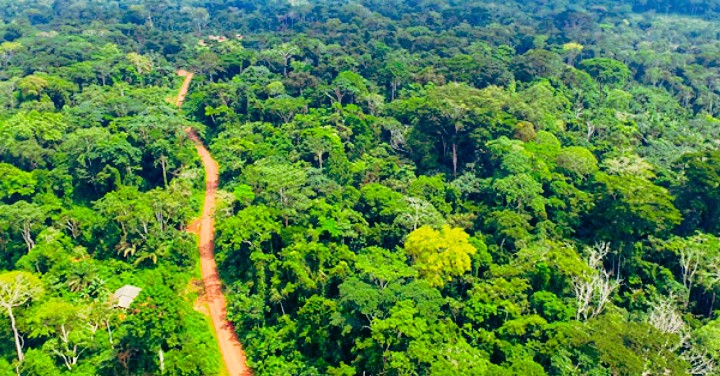
On Wednesday, August 5, 2026, a number of religious organizations and prayer warriors claimed they were barred from visiting certain areas of the forest to conduct prayer sessions, sparking a new dispute over the use of the Achimota Forest Reserve.
Some worshippers claim that security guards at the reserve turned them away, telling them that access to the traditional prayer locations had been restricted unless they paid GHC10 instead of the customary GHC1 entry charge over the years.
Reactions to the move have been divided, with many Christians expressing sadness over what they see as a violation of their right to practice their religion freely.
Thousands of Christians have used the Achimota Forest as a spiritual retreat for decades, coming to the reserve for all-night prayer sessions, fasting, and meditation. One of Ghana’s most well-known places for prayer, the forest draws people, churches, and intercessory organizations looking for a peaceful setting for introspection.
Some prayer warriors contended that they have always lived in harmony with their surroundings and questioned why they were abruptly refused admission without what they claimed was sufficient consultation or advance notice.
Environmentalists, however, have long argued that uncontrolled human activity within the reserve contributes to environmental degradation, such as garbage, damage of flora, and disturbance of wildlife. They think that in order to protect one of Accra’s most significant remaining green areas, more stringent regulations are required.
Achimota Forest To Be Immediately Restored To Its Former Status
The issue has once again revived the long-standing debate over balancing environmental conservation with the constitutional right to freedom of religion. While conservationists insist the forest must be protected for future generations, many religious leaders are calling on the authorities to engage faith-based organizations to find a workable solution that allows controlled prayer activities without harming the ecosystem.
As public discussions continue, many Ghanaians are urging government agencies, the Forestry Commission, and religious stakeholders to pursue dialogue rather than confrontation, ensuring that both environmental protection and religious freedoms are respected.
If official statements from the Forestry Commission or the affected religious groups are released later, the story may be updated with their responses.