When public appointments are made, citizens often judge the success of an appointee by the policies introduced, projects completed or figures presented at the end of a tenure. But sometimes, the real measure of leadership can be found in something much simpler: the number of lives touched.
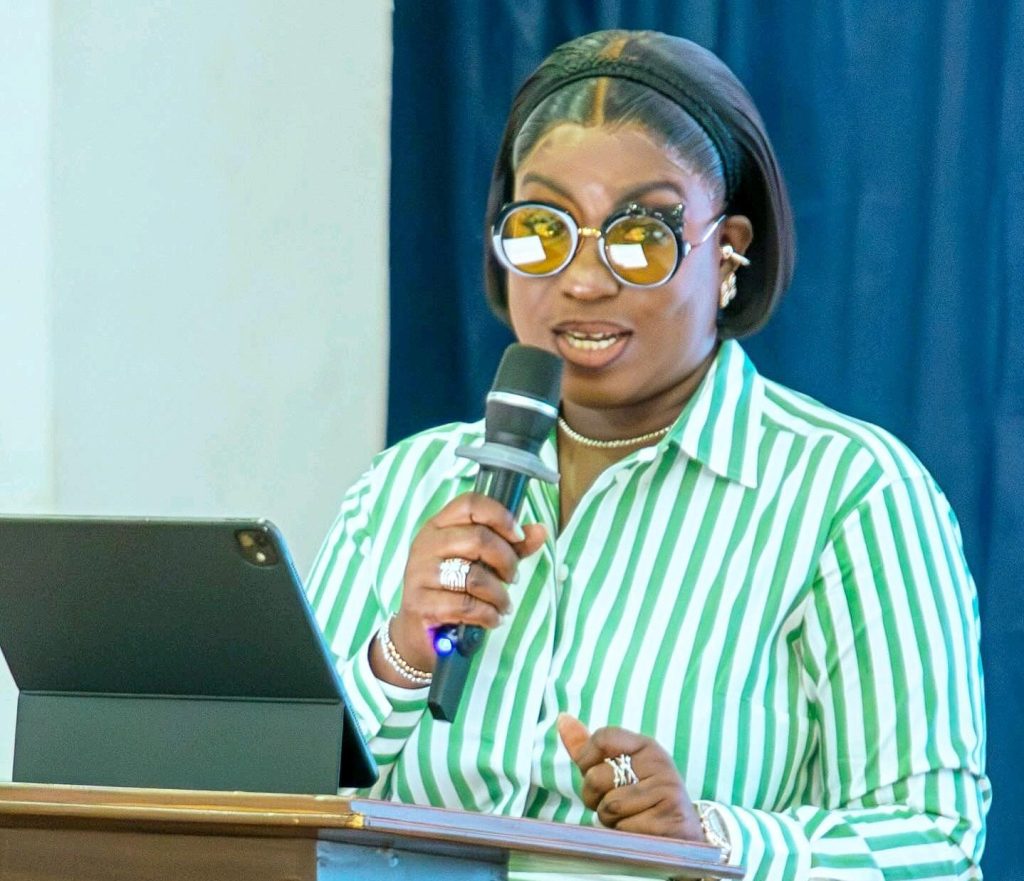
For Obuobia Darko, her work at the Ghana Medical Trust Fund (GMTF) is beginning to provide an example of leadership that goes beyond occupying an office.
Since her appointment to the Trust Fund, Obuobia Darko, together with her team, has reportedly supported more than 150 patients with 110 of them being children by settling outstanding monies owed by patients at the National Cardiothoracic Centre at Korle Bu Teaching Hospital.
The intervention has reportedly included children whose families were struggling to raise the money required for their treatments.
For such families, the burden is not merely financial. A medical bill can determine whether a patient receives continued treatment, leaves the hospital, or remains trapped in uncertainty while relatives desperately search for help.
That is why interventions of this nature deserve attention. The figure of 150 patients may appear to be just a statistic, but behind every number is a human story.
There are parents who may have spent days worrying about how to settle their bills. There are families who may have borrowed money, appealed to relatives or simply had no idea where the next payment would come from.
Among the beneficiaries are children, making the intervention particularly significant. For a parent unable to pay a child’s medical bill, financial assistance can mean more than relief from debt. It can provide the opportunity for the child to receive the necessary care without the family being overwhelmed by the financial consequences.
This is where leadership becomes personal. Mahama’s trust and the responsibility that comes with it.
President John Mahama’s decision to appoint Obuobia Darko to the Ghana Medical Trust Fund (GMTF) came with a responsibility to deliver.
Political appointments often attract intense public scrutiny, with citizens asking whether appointees are actually making a difference in the institutions they have been entrusted to manage.
Men Are Dying In Silence: Mental Health Expert Sounds The Alarm On Ghana’s Suicide Crisis
In Obuobia Darko’s case, the reported intervention involving more than 150 patients provides one indication of an administration seeking to put people at the centre of healthcare.
It is also a reminder that public service should not always be measured by grand announcements. Sometimes, it is about a patient who can finally go home. Also, it is about a mother who no longer has to wonder how she will pay her child’s hospital bill. And sometimes, it is simply about restoring dignity to people at one of the most difficult moments of their lives.
Leadership is not only about authority. It is also about responsibility, empathy and the willingness to solve problems that directly affect ordinary people.
Healthcare, in particular, requires this human-centred approach. Hospitals can have modern equipment, qualified professionals and sophisticated systems, but patients and their families can still struggle when they cannot afford the cost of treatment.
According to Dr Entsua-Mensah, the Fund’s impact goes beyond the money spent, the equipment acquired, or the procedures performed.
“Adults whose illnesses had taken them away from their normal lives and livelihoods now have an opportunity to receive treatment and return to work. Children whose futures were threatened by serious heart conditions have an opportunity to grow and pursue their aspirations,” he said.
Any effort that helps bridge that gap deserves encouragement, while also requiring transparency and accountability. The reported support to more than 150 patients therefore presents an opportunity to look at public leadership from another angle—not simply through political rhetoric, but through tangible interventions that affect people’s everyday lives.
A commendable beginning
Obuobia Darko and her team deserve recognition if the reported figures and interventions are sustained and properly documented. More importantly, the initiative should inspire similar efforts across the healthcare sector. Ghana needs a healthcare system where financial hardship does not become an additional source of suffering for people already dealing with illness.
The ultimate test, however, will be whether such interventions can be sustained, expanded and embedded into broader systems that provide lasting support for vulnerable patients.
For now, the reported assistance to more than 150 patients is a commendable beginning.
President Mahama may have reposed his trust in Obuobia Darko by giving her the responsibility to serve, but it is the lives touched through her work that will ultimately determine how that trust is judged.
And if leadership is about leaving people better off than one found them, then the stories of these patients offer a powerful reminder of what public service can—and should—look like.