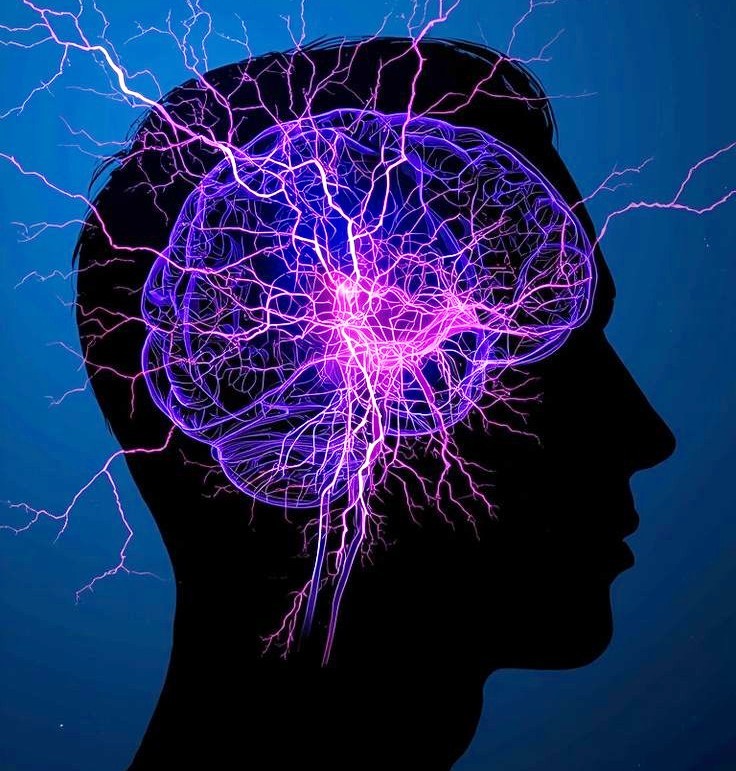
All living things, especially humans, have instincts that help them anticipate their future. It continues to pursue you as a natural or innate inclination or behavior until the deed is completed. Humans have an innate fear of fire, just like animals. In actuality, a lot of individuals ignore their gut feelings until something bad occurs. God made that to help individuals avoid difficult situations or even positive ones, but many people disregard that instinctive response. Even though I was certain that I would be hired based on my experiences, I once had an instinct to skip an interview. I was on the verge of getting ready for this big day, but my instincts were telling me not to go, which made me feel anxious and terrified and made my heart race.
Eventually, I gave it a listen. The news that followed was catastrophic a few hours later. Approximately eight people were instantly killed in a terrible accident that occurred on the same section of road that I had to travel to get to the interview location.
We overlook a number of these reactions, each of which has repercussions.
Indeed, instincts do speak—constantly. However, the reasoning, facts, social approbation, overthinking, and constant cacophony of modern life teach us to ignore them.
Since our gut, that silent (or occasionally urgent) internal signal, developed over millions of years as a fast pattern-recognition mechanism, many instincts are really disregarded. Subtle clues, such as energy mismatches, emotional undercurrents, environmental hazards, and microexpressions, are processed by it more quickly than conscious cognition can.
Japanese Superfoods That Promote Growth, Good Health And Longevity
Instincts are not perfect. We doubt them because they have made mistakes in the past (or we recall the errors more clearly). It can be uncomfortable to follow your gut when it comes to speaking out, ending a relationship, leaving a job, or turning down an opportunity that “looks good on paper.”
It is interesting how the subtle voice is muffled by numbing and continual distraction. Sometimes you find out why you are so uncomfortable with a person or circumstance. Or when things simply “clicked” and operated flawlessly without any explanation. Survivors frequently remark, “Something told me not to walk that route.”
The finest decision-makers employ gut flags for everything, according to researchers.
How Do You Pay Attention To Your Own Talking Self?
- Establish a calm atmosphere. Even five to ten minutes of unstimulated time each day—such as sitting in quiet or going for a walk without a podcast—allows the signal to be more clearly received.
- Take note of bodily indicators. Tightness in the chest, relaxed shoulders, tension in the gut, and an abrupt increase or decrease in energy are examples of how instincts frequently communicate through the body first.
- Use modest, low-stakes judgments to test it. Next, watch the results. Develop the muscle. Separate wisdom from fear. Not all uncomfortable emotions are instinctive defenses. Some are simply anxiety or previous conditioning. “Is this shielding me from true danger, or from growth?” Ask yourself!
- Keep a journal of the hits. Keep track of moments when you followed (or ignored) the voice. Patterns emerge fast. Instincts aren’t magical or always “right.” They’re ancient wisdom filtered through your unique experiences. The more you honor them without blindly obeying, the better calibrated they become—like upgrading an internal compass.
The voice is always there. The question is whether we’re willing to stop, listen, and sometimes act on what it says even when it doesn’t make perfect sense on paper.