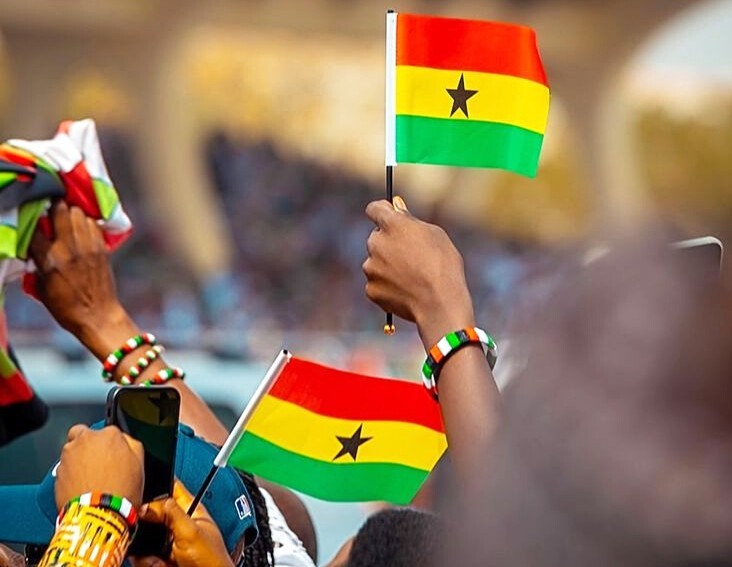
‘The Ordinary Ghanaian is so difficult to deal with’— Some people consider this as a provocative statement. Yet beneath the frustration lies a deeper truth: the average citizen in Ghana isn’t merely “difficult”—they are resilient, skeptical, entrepreneurial, and fiercely independent in ways that make top-down governance feel like herding cats in a harmattan storm.
However, consider the everyday realities. The trotro mate who negotiates fares mid-jam, the market woman who adjusts prices based on your accent or perceived desperation, the civil servant who quietly demands “something small” to move a file, the youth who turns every economic policy into a meme before breakfast—these aren’t signs of malice. They are survival tactics honed over decades of promises that evaporate like morning dew.
When leaders announce grand visions—free SHS, one-district-one-factory, Agenda 111 and many more —only for implementation to stutter under corruption, delays, or elite capture, trust erodes. The ordinary Ghanaian learns not to wait passively. They adapt, bend rules, create parallel systems, and protect their own interests first. In doing so, they become “difficult” to manage in the conventional sense.
This isn’t unique to Ghana—every society under prolonged stress develops similar defenses—but in our context, it manifests vividly. Politicians campaign on listening tours and town halls, yet once in power, many retreat behind protocol, convoys, and press releases. The citizen responds with cynicism: “Talk is cheap, show me the money.” When economic pressure mounts—dumsor returns, cedi slides, galamsey poisons rivers, fuel prices bite—the response isn’t blind obedience. It’s resistance: protests, boycotts, social media storms, vote swings, or simply opting out of the system altogether through emigration dreams or informal hustles.
Here is the uncomfortable irony: this very “difficulty” is proof of agency. The ordinary Ghanaian refuses to be a passive recipient of governance. They demand accountability in their own way—through sarcasm, strikes, electoral punishment, or quiet non-compliance. But that same agency makes consensual, institution-based leadership exhausting. Policies that require widespread compliance (tax collection, environmental regulations, traffic discipline, anti-corruption drives) meet creative circumvention at every turn. Leaders who try gentle persuasion or endless dialogue often appear weak, indecisive, or out of touch.
This is why a growing chorus—though still whispered more than shouted—calls for a very tough, even “stubborn” leader.
Not the cartoonish dictator of old headlines, but someone with iron resolve:
- Willing to enforce laws without selective amnesia.
- Ready to say “no” to party financiers, traditional overlords, and international creditors when national interest demands it.
- Capable of staring down vested interests—whether galamsey barons, corrupt bureaucrats, or entitled elites—and actually following through with consequences.
- Stubborn enough to stick to painful but necessary reforms long after popularity dips.
History offers clues. Kwame Nkrumah’s era, for all its flaws, showed what decisive (sometimes overly so) leadership could achieve in infrastructure and pan-African ambition. Rawlings’ early revolutionary toughness cleaned house in ways polite politics rarely can—though it came at heavy cost. Even recent examples abroad—Singapore’s Lee Kuan Yew, Rwanda’s Kagame—demonstrate that in post-colonial, resource-challenged settings, benevolent authoritarian streaks can build foundations that later allow democratic deepening.
Ghana isn’t there yet, and shouldn’t aim for outright authoritarianism. Our democratic culture, free press, vibrant civil society, and electoral maturity are assets worth preserving. But polite, consensus-obsessed leadership has limits when the citizenry itself operates in survival mode.
A truly effective leader for today’s Ghana would blend toughness with vision:
- Ruthless accountability for public officials (no more “catch-and-release”).
- Unflinching enforcement of rules that protect the commons (land, environment, revenue).
- Clear, consistent communication that treats citizens as adults capable of understanding trade-offs.
- The spine to endure unpopularity for long-term gain.
Ghana Will Use 2026 World Cup To Showcase Its Arts
The ordinary Ghanaian isn’t impossible to lead—they are just tired of being led poorly. They will follow someone who proves, through action rather than speeches, that the sacrifice is shared and the destination real.
Until that leader emerges—one stubborn enough to match the stubborn resilience of the people—frustration will continue. The call isn’t for cruelty, but for courage. A leader who can say, “This stops now,” and mean it. Because only then might the ordinary Ghanaian finally lower their guard and say, “Okay, let’s try this together.”
In the end, perhaps the most difficult thing isn’t the ordinary Ghanaian—it’s admitting that we get the leadership we tolerate. Time to demand better, and support the rare ones willing to be tough enough to deliver it.