A man who voted for John Dramani Mahama is now among his most vocal critics — not over the economy, not over governance, but over silence.
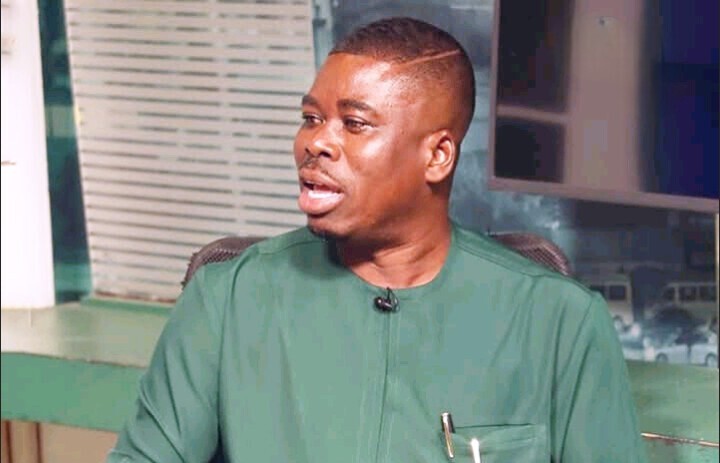
Reverend Charles Owusu, the former Forestry Commission boss and prominent Ghanaian political commentator, has gone public with his disappointment in President Mahama, accusing the sitting president of failing to address LGBTQ+ issues in the country.
Speaking on Asempa FM, Owusu delivered a pointed rebuke that cuts to the heart of a debate Ghana has long struggled to have openly.
Owusu was unambiguous about where he stood during the last election cycle.
“I voted for President Mahama because I believed in his vision and leadership,” he said. “But on the issue of LGBTQ+ rights, I feel disappointed. His silence has been deafening.”
It is a striking statement from someone who cast his ballot in Mahama’s favour — and one that reflects a growing tension between loyalty to a political leader and the expectation that leadership extends beyond economic and political management into the moral and social fabric of the nation.
At the core of Owusu’s frustration is not a policy he disagrees with, but the absence of one altogether. In his view, when a sitting president refuses to engage with questions affecting marginalised communities, that silence is itself a message — and not a reassuring one.
“The president’s failure to speak on these matters sends a message to Ghanaians about the importance of LGBTQ+ issues in our national discourse,” Owusu added, suggesting that inaction from the highest office normalises indifference toward vulnerable citizens.
It is a charge that places Mahama in familiar territory for many African heads of state — caught between a conservative social majority and a growing chorus of voices demanding that human rights protections be extended to all citizens, regardless of sexual orientation or identity.
Ghana’s legal and cultural landscape on LGBTQ+ issues remains deeply conservative. Same-sex relations are criminalised under existing law, and public sentiment has historically leaned heavily against LGBTQ+ visibility and rights.
Yet advocacy groups and civil society voices have grown increasingly vocal, pushing political leaders to at least acknowledge the conversation — even where full policy shifts may be politically untenable.
President Mahama Promises To Make Agriculture Attractive Again In Ghana
Political analysts have long noted the tightrope that leaders must walk: honouring traditional cultural values that resonate with the majority of the electorate, while not being seen to abandon citizens who exist at the margins of that social order.
Owusu’s intervention suggests that for at least a segment of Mahama’s own voter base, the tightrope is beginning to fray.
Beyond his personal disappointment, Owusu’s remarks echo a wider demand from citizens and advocacy groups for clearer communication and decisive action from elected officials. The call is not merely for sympathy, but for the kind of principled public engagement that signals to all Ghanaians — including those in the LGBTQ+ community — that their dignity and safety are not afterthoughts of governance.
Whether President Mahama will respond to that call remains to be seen. But as Reverend Owusu’s comments demonstrate, the expectation that Ghana’s leaders engage honestly with issues of human rights and social justice is no longer the exclusive concern of activists — it is becoming the expectation of ordinary voters as well.