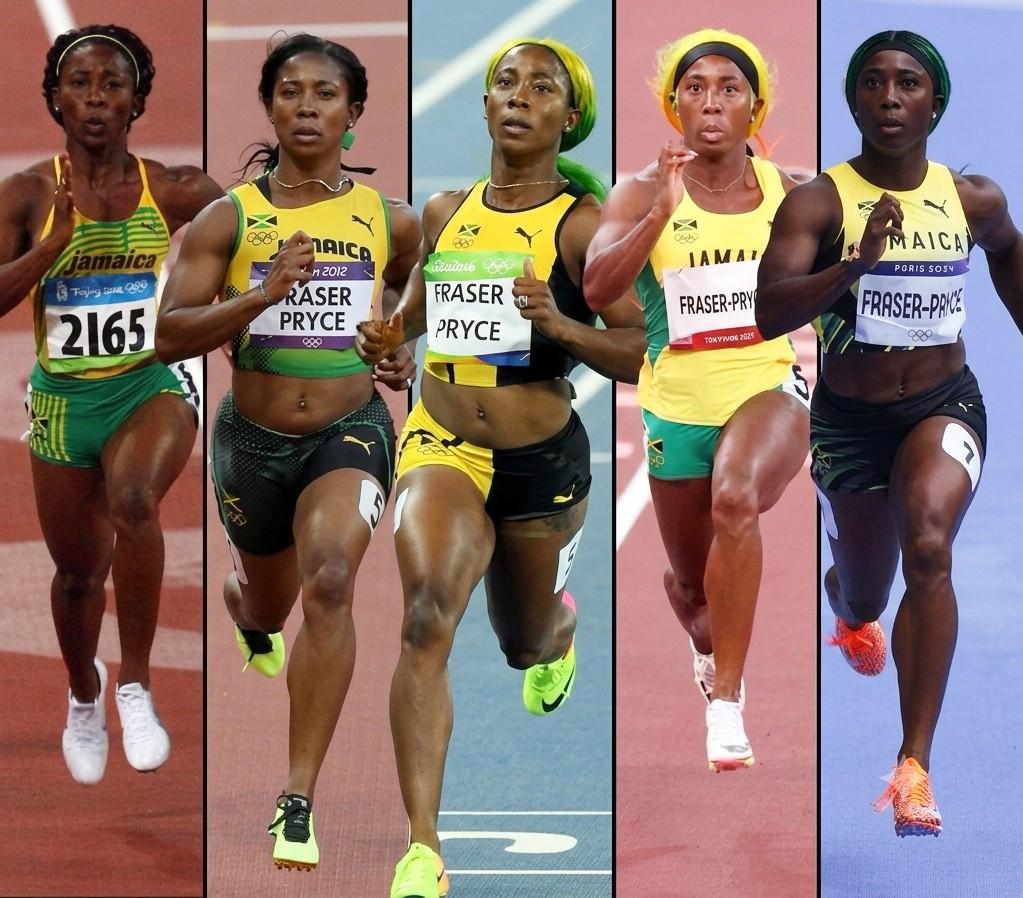
Over the years, female athletes—especially those in track and field—have been stigmatized for their inability to conceive after quitting the sport. Health professionals, however, have dismissed this myth and contended that these female athletes are quite capable of becoming pregnant as long as their wombs are not overworked.
It is possible and common for female athletes to become pregnant. Many athletes, both professional and recreational, become pregnant, have healthy pregnancies, and successfully return to competition. On the other hand, rigorous training and associated elements may present genuine difficulties and enduring misconceptions.
There are numerous myths that require factual clarification:
● Pregnancy is either impossible or very uncommon in athletes or those who engage in intense physical activity. In actuality, the majority of female athletes are fertile. They give birth to healthy children and become pregnant without any serious problems. According to studies, athletes frequently become pregnant with ease, while others may require short-term training modifications. Since pregnancy is a major physiological “feat,” many people safely continue or alter their training under medical supervision.
● Amenorrhea (missing periods), which is a typical, innocuous aspect of being a female athlete, is another misconception. This is a serious warning sign that is frequently associated with the Female Athlete Triad (or, more broadly, Relative Energy Deficiency in Sport—RED-S). Menstruation might be irregular or nonexistent due to hormonal disruption caused by low energy availability (after intensive activity without adequate calorie intake). It needs to be addressed because it is abnormal. Although it does not happen to every athlete, those who do have more serious problems.
Female Lawyers Changing The World: From Pioneers To Modern Leaders
● Pregnancy (or abortion) is another myth. Performance can be increased by “doping” using this. This story (also known as “abortion doping”) dates back to the Cold War and has been refuted. There have been claims that pregnancy boosts hormones or blood volume for an advantage, followed by termination. This is commonly considered a myth with no verified examples in contemporary sport, and there is no scientific evidence to support significant, consistent performance advantages from it. Due of the stigma associated with pregnancy, it has hurt athletes.
Fertility is a problem that affects female athletes equally. Sports like endurance, gymnastics, and ballet that have large training volumes, minimal body fat, or energy deficits are more risky. Additionally, certain athletic groups may be more susceptible to conditions like polycystic ovarian syndrome (PCOS). But many athletes do not have any problems, and those that do can usually be fixed with improved diet, less training, or medical assistance.
Factors Influencing Athletes’ Fertility:
Amenorrhea and energy imbalance might suppress ovulation, making conception more difficult. If left untreated, it increases the risk of long-term reproductive problems as well as bone density loss (osteoporosis/stress fractures).
Training intensity: While moderate, well-fueled training often promotes fertility, very high levels may create abnormalities or postpone menarche.
Additional factors include age, heredity, general health, stress, and the kind of sport. With careful preparation, many athletes are able to successfully manage their families and jobs.
It is common for elite athletes to participate while pregnant or return after giving birth (with medical authorization). Current recommendations encourage ongoing exercising to promote healthy pregnancies. Athletes’ fertility problems are frequently transient and get better with restored energy balance (more calories, modified workout).
Pregnancy and parenthood are completely possible for female athletes. Misconceptions like the Female Athlete Triad are frequently the result of out-of-date perspectives or overgeneralizations of dangers. Most people can succeed in both home life and athletics with the right support. Personalized medical advice is crucial because individual factors differ greatly.
One thought on “Misconceptions You Should Know Regarding Female Athletes And Pregnancy”